Most Indian D2C brands running Meta Ads fall into the same trap: they launch two or three creatives, wait two weeks, declare a “winner,” and scale it — only to watch performance collapse within days. The issue is not their product or their audience. It is that they are testing creatives without a system.
After managing over Rs 21.5 lakh in Meta Ads spend across Indian D2C brands — fashion, health, home decor, ayurveda, and more — I have developed a repeatable creative testing framework that consistently identifies winning ads before I scale budget on them. Here is exactly how it works.
Why Creative Testing Is the Most Important Skill in Meta Ads Right Now

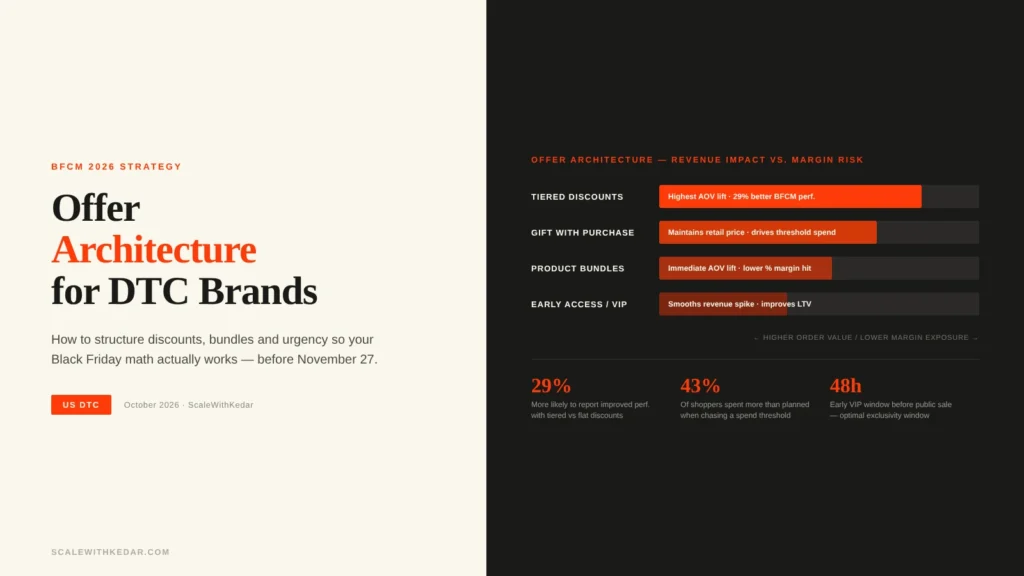
Meta’s algorithm in 2026 has shifted dramatically toward creative-driven performance. Audience targeting has become largely automated — Advantage+ audiences, broad targeting, and interest stacks all converge on the same pools of buyers. The differentiator is no longer who you target. It is what you show them.
In accounts I have audited, brands spending Rs 1–3 lakh per month with poor creative rotation see CPMs 35–60% higher than accounts with regular creative refreshes. The algorithm rewards novelty and engagement. If your creatives are stale, you pay a premium to show them.
Phase 1 — Concept Testing: Find What Resonates in 7 Days
The goal of Phase 1 is to identify which creative concept connects with your audience — not which specific ad wins. A concept is the core idea: problem-first hook, social proof, before-and-after, founder story, feature demo, or UGC testimonial.
How I structure it: I create one ad set per concept, each with a Rs 300–500 per day budget, running for 5–7 days. Each ad set contains a single creative (one static image or one video). This isolates the concept as the variable. No A/B testing multiple formats at this stage — that comes later.
I test 5–8 concepts simultaneously. The metrics I look at after Day 5:
- Thumb Stop Rate (3-second video views ÷ impressions): Anything above 30% is a strong hook. Below 20% means the first frame is not working.
- Click-Through Rate (Link CTR): For cold audiences in India, 1.5% or above is healthy. Below 0.8% means the creative is not compelling enough to drive action.
- Cost Per Add to Cart or Cost Per Landing Page View: This tells me whether the concept is attracting buyers, not just curious browsers.
Concepts with above-average thumb stop rate and CTR move to Phase 2. Everything else gets retired, no exceptions.
Phase 2 — Format Testing: Turn Winning Concepts into a Full Creative Suite
Once I know which concept works, I produce that concept in 3–4 formats: a static image, a short-form video (15–30 seconds), a carousel, and sometimes a DPA (dynamic product ad) variant. The concept stays identical. Only the format changes.
This phase answers a critical question: is this concept stronger as a quick-cut video or a clean static? The answer is almost always different for different product categories. In my experience, ayurveda and health supplements consistently outperform with video testimonials, while home decor and fashion often convert better with high-quality static images and carousels that let users browse the product range.

I run Phase 2 at Rs 500 per day per format for 5 days. The winning format — lowest Cost Per Purchase combined with strongest return on ad spend — gets selected for Phase 3.
Phase 3 — Scale Testing: Find the Budget Ceiling Before You Hit It
Most brands skip straight from Phase 1 to spending Rs 5,000 per day on a creative. This is how you blow budget and burn out a winning ad in 72 hours. Phase 3 is about finding the saturation point — how much budget can this creative absorb before frequency kills performance?
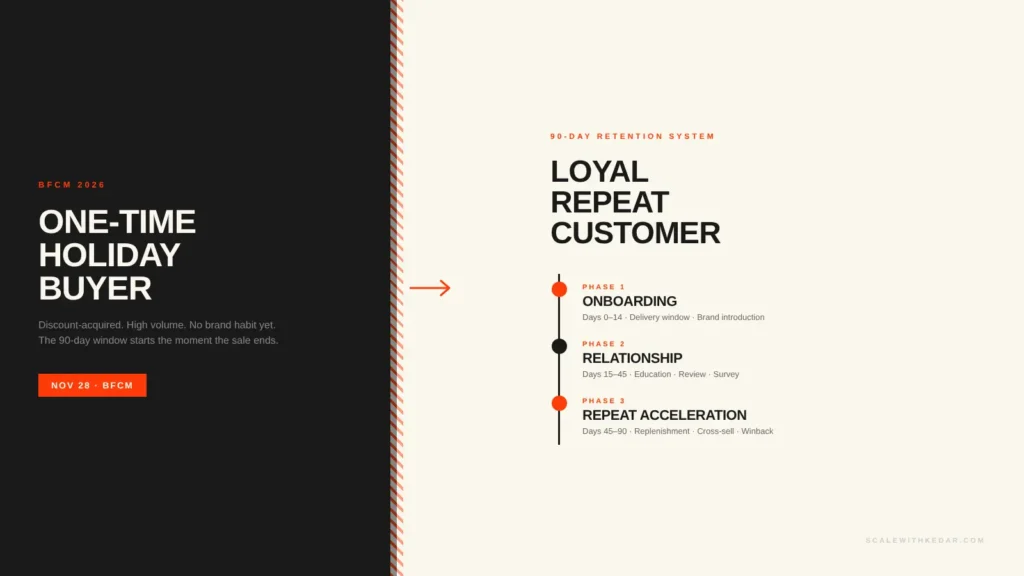
I scale using the 20% rule: increase budget by no more than 20% every 48 hours. On a creative that performed at Rs 500 per day, I move to Rs 600, then Rs 720, then Rs 865, and so on. I monitor frequency carefully. When frequency passes 2.5 in a 7-day window and CPP starts rising, that is the ceiling. I stop scaling and move to a new creative variant — same concept, different hook or opening frame.
In a fashion brand account I managed, this approach let me scale a single winning UGC concept from Rs 500/day to Rs 8,000/day over 21 days while maintaining a 3.1X ROAS throughout — compared to the previous approach of jumping to Rs 3,000/day immediately and losing ROAS within a week.
What Creative Variables to Test (In Order of Impact)
Not all creative elements are equally worth testing. Here is the order I recommend, based on impact on results:
- Hook (first 3 seconds for video, headline for static): This has the single largest impact on thumb stop rate and CTR. Test this first, always.
- Creative concept (problem vs benefit vs social proof vs UGC): Second highest impact. Different audiences respond to different emotional triggers.
- Format (video vs static vs carousel): Third priority. Worth testing once you have a winning concept.
- CTA text and offer (Free shipping vs 20% off vs Limited stock): Lower impact than hooks, but worth iterating once the concept is proven.
- Ad copy length (short 2-line vs longer story-driven): Least impactful in most categories, but worth testing for high-consideration products above Rs 1,000 average order value.
How Much Budget Do You Need for Proper Creative Testing?
A full 3-phase creative testing cycle for one concept costs approximately Rs 12,000–18,000 over 15–20 days when run at the budgets I described. For brands spending Rs 1 lakh or more per month on Meta Ads, this is a 12–18% investment that protects the remaining 80% of budget from going to underperforming creatives.
For brands under Rs 50,000/month, I recommend running Phase 1 only with 3 concepts at Rs 200/day each — a Rs 6,000 investment that still surfaces your best concept before you commit more budget.
The 3 Biggest Creative Testing Mistakes I See Indian Brands Make
- Killing ads too early: Turning off a creative after 2 days and Rs 400 spend is not a test — it is a guess. Give concepts at least 5 days and a minimum of 3,000 impressions before drawing any conclusions.
- Testing too many variables at once: If you change the hook, the format, the copy, and the audience simultaneously, you have no idea what caused the change in results. Test one variable at a time.
- Using the same creative for 30+ days: Even winning creatives fatigue. In Indian D2C accounts I manage, top-performing creatives typically begin declining after 3–5 weeks at consistent spend. Build a pipeline of 2–3 new creatives being tested every week — even when current ads are performing well.
Final Thoughts: Make Creative Testing a Weekly Process, Not a Monthly Panic
The brands that win on Meta Ads in 2026 are not the ones with the biggest budgets. They are the ones with the most efficient creative pipelines. A Rs 50,000/month brand with a disciplined testing system will consistently outperform a Rs 3 lakh/month brand that recycles the same three creatives every month.
Set aside 15–20% of your monthly ad budget for creative testing. Build new concepts every week. Follow the 3-phase framework above. Track thumb stop rate, CTR, and cost per purchase as your core creative metrics. Over time, you will build an internal library of proven concepts that de-risk every rupee you scale.
Running ads and not getting results? Book a free 30-minute strategy call — I will audit your account for free.