
If you’re running a D2C brand in India and your ad ROAS looks decent but your revenue keeps disappointing you — cart abandonment is probably the silent killer you’re ignoring. The average cart abandonment rate across Indian ecommerce sits somewhere in the 70–80% range, and for most D2C brands, a significant chunk of that is recoverable. You’ve already spent money getting someone to your store and to the checkout page — it’s genuinely frustrating to watch them walk away at the last step.
The good news? Cart abandonment is one of those problems where small, focused changes can deliver outsized results. You don’t need to rebuild your entire tech stack. You need smart, systematic tweaks at the right points in the buyer journey.
Why Indian D2C Customers Actually Abandon Carts
Before we jump into fixes, it’s worth understanding why Indian shoppers abandon carts — because the reasons are different from Western markets. In India, the biggest friction points tend to be:
- Unexpected shipping costs: Indian buyers are extremely price-sensitive, and a ₹99 or ₹149 shipping charge added at checkout can trigger an immediate exit.
- Trust deficit: D2C brands without recognisable names face higher abandonment simply because people aren’t sure if the brand will deliver as promised.
- Payment method friction: If your preferred UPI app or bank isn’t available, people leave rather than try another option.
- COD unavailability: A surprisingly large share of Indian buyers still prefer COD, especially in Tier 2/3 cities. If you’ve removed COD to protect margins, you may be losing this segment.
- Slow checkout: Multi-step checkouts with too many form fields kill conversions, especially on mobile.
7 Proven CRO Tactics to Reduce Cart Abandonment
1. Show the Full Price Upfront
This is the simplest change with potentially the biggest impact. If you’re adding shipping costs, GST, or handling fees at checkout, those need to be visible on the product page — not as a surprise at the final step. Consider building shipping costs into your product price and advertising “free shipping” prominently. Indian shoppers respond strongly to free shipping messaging even when the total price is the same.
2. Add a Sticky, Minimal Checkout Bar
On mobile (which is where most of your Indian traffic is coming from), a sticky “Checkout” button or cart summary bar can dramatically reduce the number of steps a buyer has to take. The fewer taps between “I want this” and “order confirmed,” the better your conversion rate will be.
3. Enable COD Strategically
Completely removing COD hurts revenue more than it protects cash flow for most D2C brands. A smarter approach is to enable COD for first-time buyers and disable it for repeat customers who have a proven payment history. You can also implement a small COD handling fee (₹20–30) to offset the risk while keeping the option available.
4. Use Exit-Intent Popups With Real Value
Exit-intent technology detects when a user is about to leave and shows a targeted offer. For Indian D2C brands, the most effective exit-intent offers are either a discount code or free shipping unlock. Keep the popup minimal — one line of copy, one offer, one CTA. Overloaded popups get dismissed immediately.
Note: Test this on desktop first. On mobile, exit-intent behaviour is different and poorly implemented popups can hurt more than help. Use scroll-based triggers on mobile instead.
5. Set Up Abandoned Cart Email + WhatsApp Sequences
If someone reached checkout and left without buying, you have their email or phone number — use it. A simple three-touch sequence works well for Indian D2C:
- Email/WhatsApp 1 (1 hour later): Gentle reminder, no discount. Just “Hey, you left something behind.”
- Email/WhatsApp 2 (24 hours later): Add social proof — reviews, ratings, or a short testimonial.
- Email/WhatsApp 3 (48 hours later): Time-limited discount or urgency nudge (“Only 3 left in stock”).
WhatsApp recovery tends to outperform email significantly in India because open rates on WhatsApp are dramatically higher. If you’re on Shopify, tools like DelightChat or AiSensy can automate this flow.
6. Add Trust Signals at the Checkout Page
Your checkout page needs to work harder to build trust. For D2C brands without widespread brand recognition, consider adding these elements right on the checkout screen:
- Secure payment icons (Visa, Mastercard, UPI, Razorpay/PayU logo)
- A short “100% secure checkout” reassurance message
- Return/exchange policy in one line (“Easy 7-day returns”)
- Real customer reviews near the product summary (even 2–3 short ones help)
Many D2C brands have all of this on their product page and completely forget it on the checkout page — which is ironically the most important moment for trust.
7. Offer Multiple Payment Options Including BNPL
Buy Now Pay Later (BNPL) options like Simpl, LazyPay, and ZestMoney have meaningful adoption in urban India, especially for higher-ticket items. If your average order value is above ₹800–1,000, adding a BNPL option can reduce the psychological friction of the purchase. This is especially relevant for fashion, electronics accessories, and wellness categories.
On the payment method side, make sure you’re supporting all major UPI apps (PhonePe, Google Pay, Paytm), net banking, and debit cards — not just credit cards, which still have relatively limited penetration in Indian D2C markets.
How to Prioritise These Fixes
Don’t try to implement everything at once. Start with whichever issue is costing you the most customers based on your actual data:
- High drop-off at the payment step? → Fix COD, BNPL, and payment options first.
- High drop-off when shipping is shown? → Fix shipping cost visibility and consider free shipping thresholds.
- Low checkout page trust? → Fix trust signals and add reviews.
- High mobile bounce at checkout? → Fix checkout UX, reduce fields, add sticky CTA.
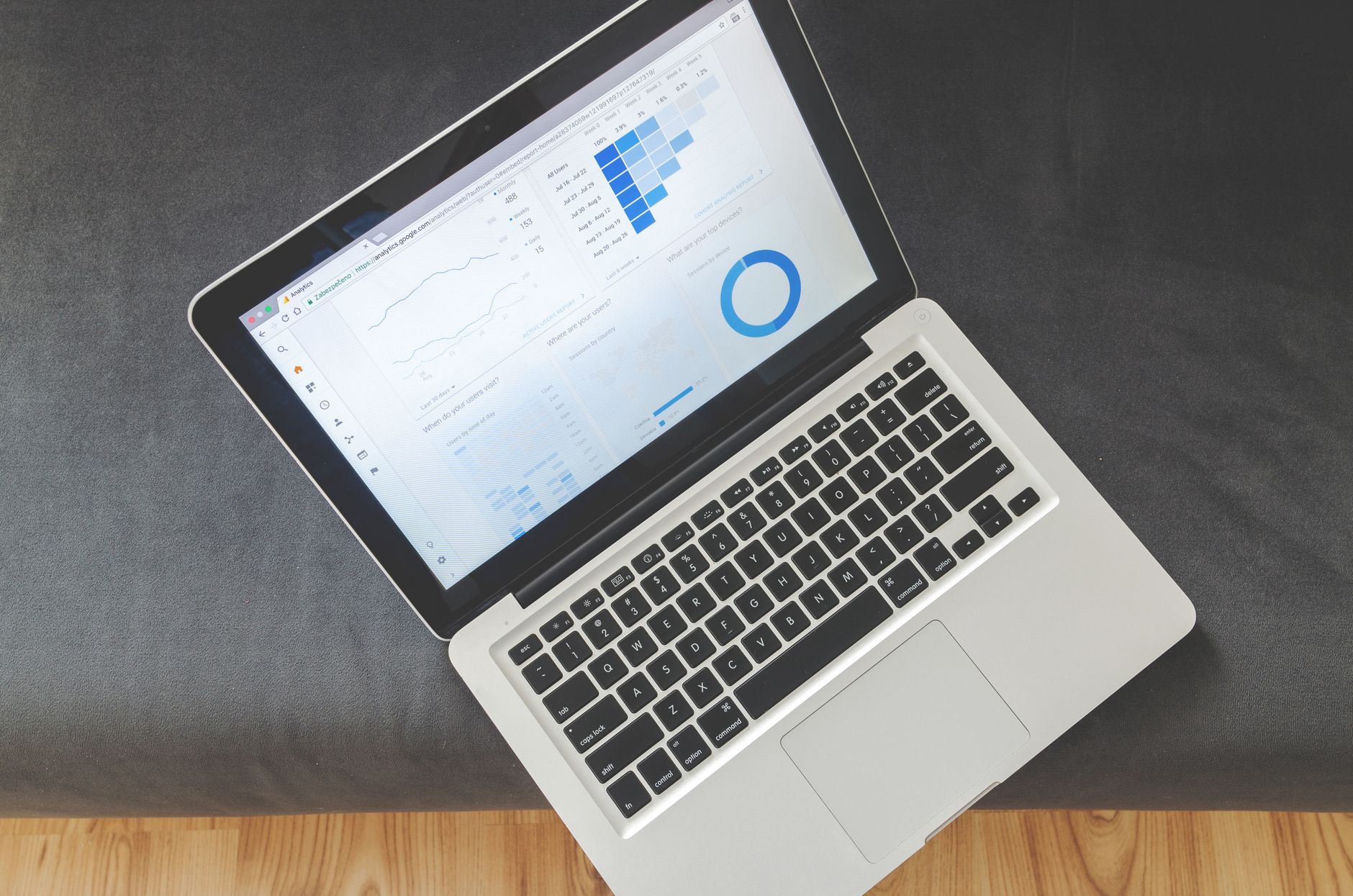
Use your Shopify analytics or Google Analytics 4 funnel reports to identify exactly where people are dropping off. That data should drive your CRO priority list — not guesswork.
The Honest Truth About Cart Abandonment
No D2C brand will ever get cart abandonment to zero. Some people are browsing, comparing prices, or waiting for payday. What you can do is make sure that the people who genuinely wanted to buy weren’t stopped by friction you could have removed.
The brands I’ve seen make the biggest gains on cart recovery aren’t the ones with the most sophisticated tech — they’re the ones who obsessively reduced friction at every step and showed up in recovery sequences with a human, helpful tone instead of generic “you forgot something” messages.
Start with one fix, measure the impact over two to three weeks, then move to the next. Small compounding wins are how D2C brands in India build durable, profitable growth.