If you’re running a D2C brand in India and relying only on Meta Ads and Google Ads to drive revenue — you’re leaving serious money on the table. Email marketing, when done right, consistently delivers an ROI of ₹36 for every ₹1 spent. And in 2026, with rising ad costs on Meta and increasing competition on Google, email automation has gone from a “nice to have” to an absolute necessity for Indian D2C brands.
I’ve worked with dozens of D2C brands across categories like skincare, food, fashion, and wellness — and the ones consistently hitting 25–35% of their revenue from email are the ones that have built proper automation sequences. Not just newsletters. Sequences.
Here’s exactly how to build them.

Why Indian D2C Brands Are Finally Taking Email Seriously
A few years ago, email marketing felt like something only big international brands did. Indian D2C founders were laser-focused on Meta Ads, influencer campaigns, and WhatsApp broadcasts. But the game has changed.
Meta CPMs in India have shot up. Competition for attention on Instagram Reels is brutal. And WhatsApp, while powerful, has limitations in automation and deliverability. Email, meanwhile, sits in a channel that the customer actually opted into — they gave you their address because they were interested.
The other big shift? Tools like Klaviyo, WebEngage, MoEngage, and Mailmodo now offer India-specific pricing, Shopify integrations, and Hindi/regional language support. The barrier to getting started is lower than ever.
The 5 Email Automation Sequences Every Indian D2C Brand Needs
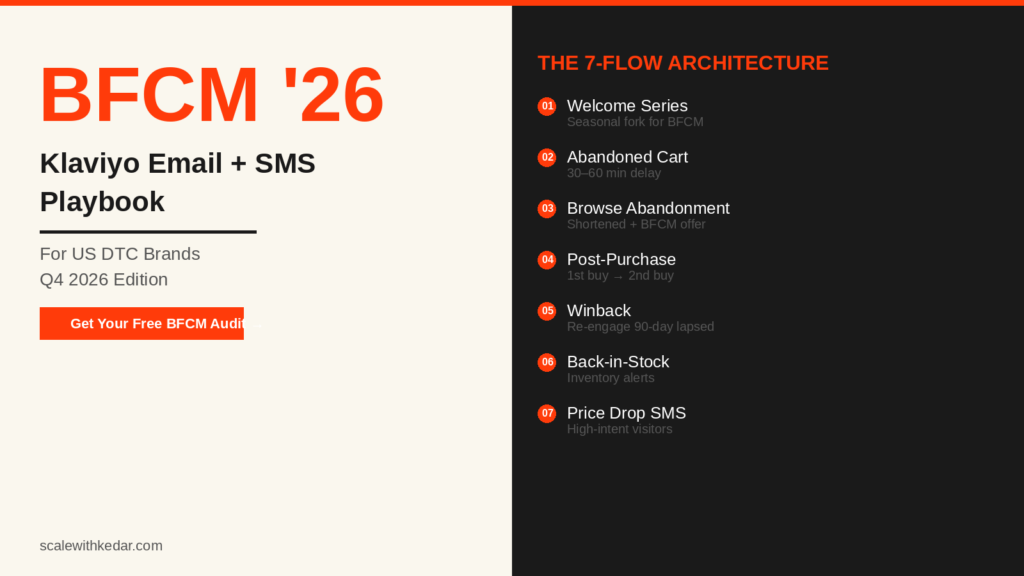
Forget random newsletters. The brands that win are the ones that have the right message going to the right person at the right time — automatically. These are the five sequences you need:
1. The Welcome Series (Days 0–7)
This is the most important sequence you’ll ever build. When someone subscribes to your list — whether through a discount popup, a lead magnet, or account creation — they are at peak interest. The welcome series capitalises on that.
A strong welcome series for Indian D2C brands typically looks like this:
- Email 1 (Immediately): Welcome + deliver the promised offer (discount code, free guide, etc.). Keep it warm, personal, and on-brand.
- Email 2 (Day 2): Your brand story. Why did you start? What problem do you solve? Indian consumers love this — it builds trust fast.
- Email 3 (Day 4): Social proof — customer reviews, UGC, before/after. Show that real people love your product.
- Email 4 (Day 7): Soft push on your bestsellers with a last-chance reminder of their welcome offer.
Open rates on welcome emails in India routinely hit 50–60%. Use that window well.
2. Abandoned Cart Recovery (Within 24 Hours)
This is the biggest revenue recovery opportunity in email marketing. On average, 70% of Indian shoppers abandon their carts. With a properly timed abandoned cart sequence, you can recover 10–15% of those orders.
- Email 1 (1 hour after abandonment): Gentle reminder — “You left something behind.” Show the cart items with images. No discount yet.
- Email 2 (6–8 hours later): Address objections. Is it shipping cost? Mention your return policy. Is it trust? Show reviews.
- Email 3 (24 hours later): Final nudge with a small incentive — ₹50 off, free shipping, or a bonus gift. Make it feel exclusive.
Pro tip: For Indian audiences, include “Cash on Delivery available” if you offer it. This alone can lift conversion rates significantly for first-time buyers who are hesitant to pay online.
3. Post-Purchase Flow (The Retention Engine)
Getting a customer to buy once is expensive. Getting them to buy again is where D2C brands actually become profitable. The post-purchase sequence does this systematically.
- Email 1 (Immediately): Order confirmation with tracking info. But add a personalised “thank you” message — make it feel human.
- Email 2 (3–5 days later): Usage tips, how-to content, or product education. This reduces returns and increases satisfaction.
- Email 3 (2 weeks later): Ask for a review. Make it easy with a direct link. Positive reviews fuel your next campaign.
- Email 4 (30 days later): Cross-sell or upsell. If they bought a moisturiser, recommend the sunscreen. Personalise based on what they bought.
4. Win-Back Campaign (For Lapsed Customers)
Anyone who bought from you 90+ days ago and hasn’t purchased since is a lapsed customer. Instead of spending ₹200–300 to acquire a new customer through ads, spend a fraction of that reactivating someone who already trusted you.
A simple win-back sequence:
- Email 1 (Day 90): “We miss you” — share what’s new. New launches, improved formulations, bestsellers.
- Email 2 (Day 97): Offer a returning customer exclusive — a flat discount or early access to a sale.
- Email 3 (Day 104): Last chance email. If they don’t engage after this, move them to a low-frequency list to protect your sender reputation.
5. Browse Abandonment (The Underused Sequence)
Most brands set up cart abandonment flows but ignore browse abandonment. If someone visits your product page two or three times without buying, they’re interested but not yet convinced. A triggered email 24 hours after they browse can close the gap.
Keep this short and personalised: “Noticed you were checking out [product name]. Here’s what other customers are saying about it.” Attach three customer reviews and a direct buy button.
Which Email Marketing Tools Work Best for Indian D2C Brands
Tool selection matters, especially for Indian D2C brands with Shopify stores. Here’s a quick breakdown:
- Klaviyo: The gold standard for Shopify-based D2C brands globally. Deep data segmentation, excellent templates, and strong deliverability. Pricing starts at around $45/month for up to 1,000 contacts. Best for brands doing ₹10L+ monthly revenue.
- WebEngage: India-based, excellent for brands that need WhatsApp + Email + Push in one platform. Pricing is custom but competitive. Great if you’re already using WhatsApp marketing heavily.
- MoEngage: Strong for mid-to-large D2C brands with complex segmentation needs. Offers good regional language support for Hindi, Tamil, Telugu, etc.
- Mailmodo: A newer Indian player with AMP email support (interactive emails). Interesting for brands wanting to stand out in the inbox.
If you’re just starting out and on a tight budget, even Mailchimp or Brevo (formerly Sendinblue) offer free tiers that can get your first sequences running without any cost.
Segmentation: The Secret to Emails That Actually Convert
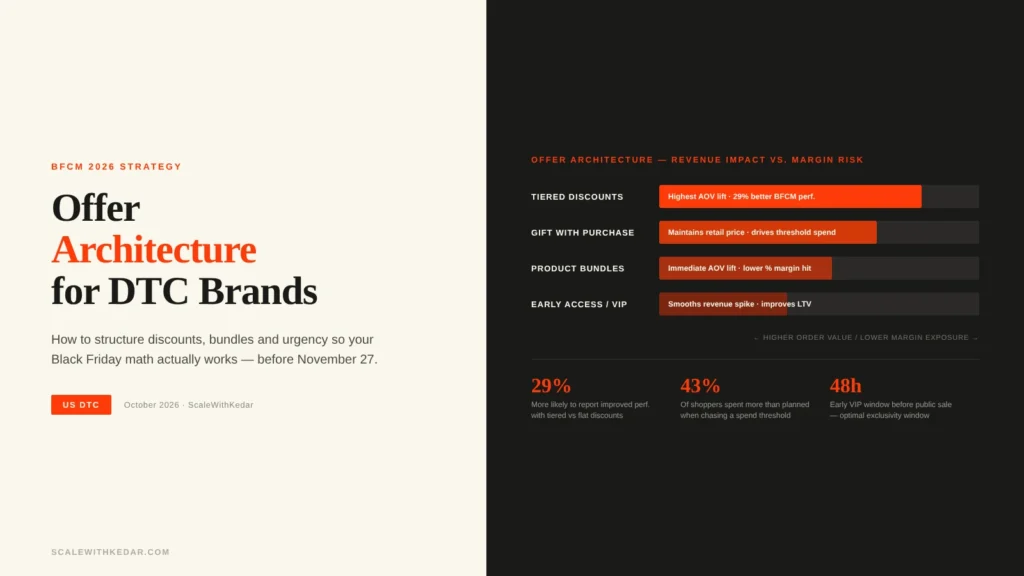
Sending the same email to everyone on your list is 2019 thinking. In 2026, segmentation is what separates brands getting 2% email revenue from brands getting 30%.
Start with these basic segments:
- New subscribers (0–30 days): Welcome series, education, first purchase nudge
- First-time buyers: Post-purchase flow, cross-sell
- Repeat buyers (2+ purchases): VIP treatment, early access, loyalty rewards
- High-value customers: Personalised outreach, exclusive products
- Lapsed (90+ days no purchase): Win-back campaign
The more granularly you segment, the more relevant your emails will be — and relevance is what drives open rates, click-through rates, and ultimately, conversions.
Email Metrics to Benchmark in 2026
Here’s what healthy email performance looks like for Indian D2C brands:
- Open rate: 25–40% (automation flows tend to be higher)
- Click-through rate: 2–5%
- Conversion rate: 1–3%
- Revenue per email sent: ₹5–₹25 depending on list quality and product price
- Unsubscribe rate: Under 0.5% (higher means your content isn’t relevant enough)
If your open rates are below 15%, your subject lines need work. If click rates are low, your content or offer needs improvement. If conversions are low, the landing page might be the bottleneck.
Your First 30 Days: Getting Started with Email Automation
Don’t try to build everything at once. Here’s a simple 30-day roadmap:
- Week 1: Choose your tool. Integrate with Shopify. Set up your list and import existing customers.
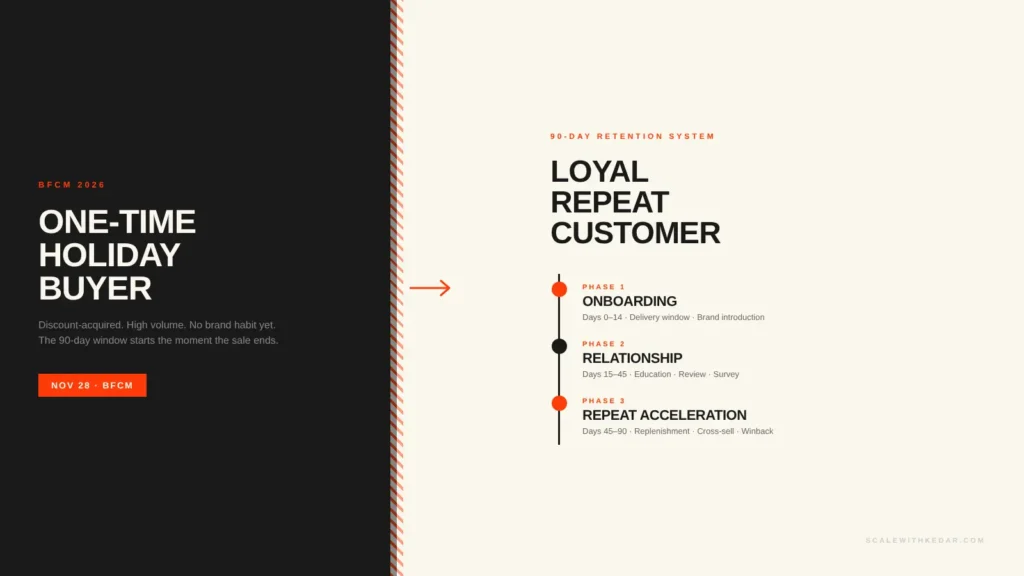
- Week 2: Build and launch your welcome series (4 emails).
- Week 3: Set up your abandoned cart flow (3 emails).
- Week 4: Build a post-purchase sequence. Review your first analytics report.
By day 30, you’ll have three core automation sequences running and collecting real performance data. Optimise from there.
Final Thoughts
Email marketing isn’t glamorous. It doesn’t have the flashy virality of an Instagram Reel or the immediate feedback loop of a Meta Ads dashboard. But it is, quietly, one of the most reliable revenue channels a D2C brand can build.
The Indian D2C brands that are building properly segmented, well-timed email automation in 2026 are the ones that will survive the ad cost inflation that’s squeezing everyone else. Start with your welcome sequence. Get your abandoned cart flow running. Build from there.
The money is in the list — if you’re willing to do the work to nurture it.