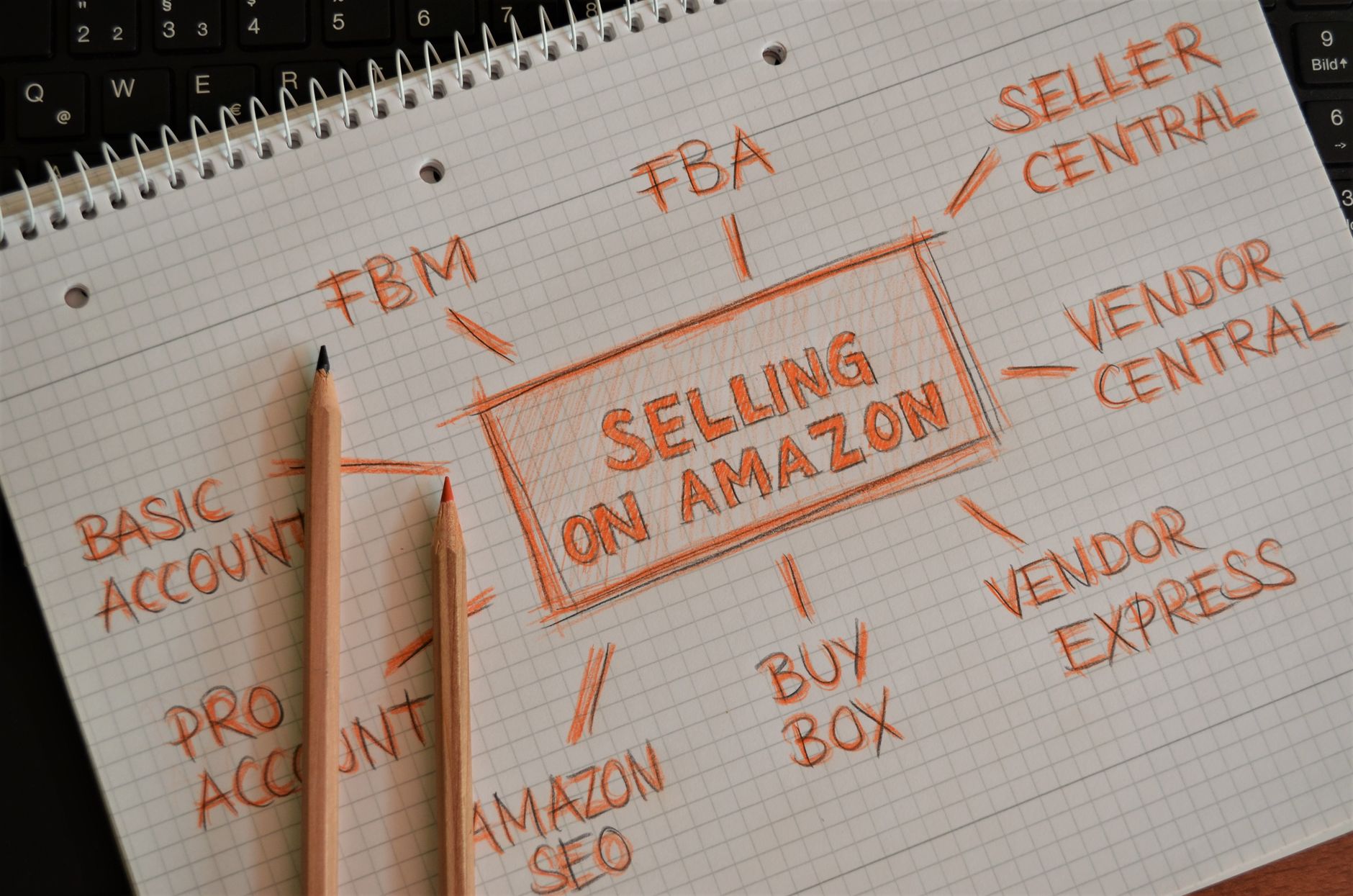
If you’re running a D2C brand in India and haven’t seriously invested in Amazon Advertising, you’re leaving money on the table. With over 500 million registered users and millions of daily transactions, Amazon India is one of the highest-intent shopping platforms you can advertise on. Unlike social media ads where you’re interrupting someone’s scroll, Amazon Ads reach buyers who are already searching for products to buy.
This guide walks you through exactly how to set up and scale Amazon Advertising for your D2C brand — covering Sponsored Products, Sponsored Brands, Sponsored Display, and a practical keyword and bidding strategy tailored for Indian sellers in 2026.

Why Amazon Advertising Matters for Indian D2C Brands in 2026
Most D2C founders start with Meta Ads or Google Ads and treat Amazon as just another marketplace to list products on. That’s a mistake. Amazon Advertising operates differently — and more powerfully — for one core reason: purchase intent is already there.
When someone sees your Instagram ad, they might save it and forget. When someone searches “best protein powder for weight loss India” on Amazon, they’re ready to buy. Your ad shows up at that exact moment. That’s why Amazon’s conversion rates are typically much higher than social media advertising for product-focused D2C brands.
Beyond conversions, Amazon Advertising also directly influences your organic ranking on the platform. Running Sponsored Products campaigns improves your product’s velocity (sales rate), which signals to Amazon’s algorithm that your product deserves higher organic placement. So your ads aren’t just paying for immediate sales — they’re building long-term discoverability.
The Three Core Amazon Ad Types You Need to Know
1. Sponsored Products
This is where you should start. Sponsored Products are keyword-triggered ads that appear in search results and on product pages. They look almost identical to organic listings — just with a small “Sponsored” label. Because they blend in, they get high click-through rates.
Sponsored Products work on a cost-per-click (CPC) model. You bid on keywords, and when a shopper clicks your ad, you pay. Your ad won’t show unless your product listing is Buy Box eligible, which means you need to be the primary seller or have a competitive price.
Best for: New product launches, capturing high-intent search traffic, building sales velocity.
2. Sponsored Brands
Sponsored Brands show your brand logo, a custom headline, and up to three products at the top of search results. They’re banner-style ads that drive both brand awareness and product discovery. You need to be enrolled in Amazon Brand Registry to run these.
These work especially well when you have a product range and want to introduce shoppers to your brand. A shopper searching “steel water bottles” might see your brand’s banner featuring three of your best-selling variants — giving them context that you’re a proper brand, not just a random seller.
Best for: Brand awareness, cross-selling multiple products, building brand recall on Amazon.
3. Sponsored Display
Sponsored Display ads show on product pages, competitor pages, and even outside Amazon (on partner websites and apps). Unlike Sponsored Products and Brands, Sponsored Display doesn’t require keyword targeting — instead it targets audiences based on shopping behaviour and interests.
This is powerful for remarketing: you can retarget shoppers who viewed your product but didn’t buy. In 2026, Amazon has expanded Sponsored Display audience targeting significantly, allowing you to reach high-intent audiences across the web.
Best for: Retargeting, competitor conquesting, defence against competitors on your own product pages.

Setting Up Your First Sponsored Products Campaign: Step by Step
Step 1: Start with Automatic Targeting
When you launch a new product, start with an automatic targeting campaign. Amazon’s algorithm will serve your ads to relevant searches based on your product listing. This helps you discover which keywords are actually converting for your product.
Set a comfortable daily budget (₹500–₹1,000 for early testing) and a competitive default bid. Run this for at least two to three weeks and collect search term data.
Step 2: Mine Your Search Term Report
Go to Campaign Manager → Reports → Search Term Report. Download it and identify:
- Keywords with high impressions but zero clicks → your listing may not be compelling enough
- Keywords with clicks but no conversions → either the traffic isn’t relevant or your listing doesn’t convert
- Keywords with conversions at acceptable ACOS → these are your gold keywords
Take the converting keywords and graduate them to a manual campaign with higher bids. Add non-converting search terms as negative keywords to stop wasting spend.
Step 3: Structure Your Manual Campaigns
In manual campaigns, target three types of keywords:
- Exact match: For your best-performing keywords. Tight control, lower volume, usually best ACOS.
- Phrase match: Captures variations of your keyword. Balances reach and relevance.
- Broad match: Casts a wide net. Use with careful negative keyword management.
Understanding ACOS and TACOS
ACOS (Advertising Cost of Sale) = Ad Spend ÷ Ad Revenue × 100. This tells you what percentage of your ad-attributed revenue you’re spending on ads. If you spend ₹1,000 and make ₹5,000 in ad-attributed sales, your ACOS is 20%.
TACOS (Total Advertising Cost of Sale) = Ad Spend ÷ Total Revenue × 100. This includes both ad-attributed and organic sales. As your organic ranking improves, your TACOS should decrease even if your ACOS stays the same. Aim for TACOS below 15% for established products.
Keyword Strategy for Indian Shoppers
Indian Amazon shoppers often search differently from Western buyers:
- Price-conscious searches: Terms like “best budget”, “under ₹500”, “cheap but good” are common in India.
- Regional language keywords: Amazon India supports Hindi and other regional languages. Including Hindi transliterations can unlock lower-competition traffic.
- Competitor keywords: Targeting “better than [Brand]” can be an effective conquesting strategy.
Advanced Tactics for Scaling Amazon Ads in India
Bid Modifiers for Top of Search Placement
Amazon lets you increase bids specifically for “Top of Search” placement. If your product converts well at the top of the search page, applying a 20–50% bid modifier can dramatically improve visibility without inflating overall campaign bids.
Defend Your Own Product Pages
Your competitors may be running Sponsored Display ads on your product pages — showing shoppers an alternative right when they’re about to buy from you. Run your own Sponsored Display campaigns targeting your own ASINs to prevent leakage.
Common Mistakes Indian D2C Brands Make with Amazon Ads
- Setting and forgetting: Amazon Advertising requires weekly optimisation.
- Ignoring listing quality: No amount of ad spend fixes a poor listing. Ensure your title, bullet points, images, and A+ content are compelling before scaling ads.
- Chasing zero ACOS: A very low ACOS often means you’re being too conservative with bids and missing sales.
- Not using negative keywords: Without negatives, your budget leaks on irrelevant searches.
A 90-Day Launch Plan for Amazon Advertising
Month 1: Run auto campaigns to gather keyword data. Focus on building a solid listing. Aim for ACOS below 50% — you’re buying data at this stage.
Month 2: Launch manual campaigns with exact and phrase match on your top converting keywords. Add Sponsored Brands if you’re Brand Registry enrolled. Begin negative keyword pruning weekly.
Month 3: Optimise bids using placement data. Layer in Sponsored Display for retargeting. Target competitor ASINs with Sponsored Products. Begin tracking TACOS weekly and aim to reduce it below 20%.
Amazon Advertising in India is more competitive in 2026 than it was two years ago — but that also means the opportunity is larger. Brands that invest in understanding the platform’s mechanics and consistently optimise their campaigns will continue to build compounding advantages in both paid and organic rankings. Start with Sponsored Products, master the fundamentals, and scale from there.