Let me be honest with you. Most D2C founders I speak to in India treat SEO as an afterthought — something to think about once paid ads “stabilise.” But here’s the thing: while you’re spending ₹80–150 per click on Meta and Google, your competitors who invested in SEO six months ago are getting that same traffic for free, every single day. In 2026, with ad costs rising and competition intensifying, SEO isn’t optional for Indian D2C brands. It’s the most durable growth lever you have.
This playbook covers everything you need to start driving organic sales — from getting your product pages right to building a content machine that compounds over time.
Why SEO Matters More Than Ever for D2C Brands in India
Indian consumers are increasingly research-driven. Before buying a skincare product, a nutrition supplement, or a home appliance, they search. They compare. They read reviews and guides. If your brand doesn’t show up during that research phase, you simply don’t exist for that buyer — no matter how much you’re spending on Instagram.
The compounding nature of SEO is what makes it so powerful. A blog post or product page that ranks well today will continue to bring in traffic next month, next year, without any additional spend. That’s fundamentally different from paid ads, where the moment you stop spending, the traffic stops too.
For D2C brands specifically, SEO delivers at multiple funnel stages:
- Awareness: Educational content (guides, comparisons, how-tos) reaches buyers early in their journey
- Consideration: Product comparisons and reviews help buyers evaluate your product against alternatives
- Purchase: Well-optimised product and category pages convert high-intent searchers
- Retention: Post-purchase content builds community and drives repeat orders
Start With Your Product Pages: The Highest-ROI SEO Work You Can Do
Most D2C founders skip straight to blogging when they think of SEO. That’s backwards. Your product pages are your most valuable SEO real estate — they carry the highest commercial intent and, when optimised properly, convert traffic directly to sales.
Title Tags and Meta Descriptions
Your product page title should include the primary keyword naturally. For example, if you sell protein powder, your title tag shouldn’t just say “Whey Protein Chocolate 1kg” — it should say “Whey Protein Powder Chocolate 1kg | Buy Online India” or something similarly optimised. Include the product category, a key differentiator, and ideally your brand.
Meta descriptions don’t directly affect rankings but dramatically affect click-through rates. Write them as short ad copy — highlight what makes your product different and include a call to action. Keep it under 155 characters.
Product Descriptions That Rank and Convert
Thin product descriptions are both an SEO and conversion problem. Aim for at least 300–500 words per product page. Cover:
- Primary and secondary keywords naturally woven in
- Key benefits (not just features) tailored to the Indian consumer context
- Usage instructions, ingredients, or specifications
- Customer-centric FAQs (these often rank for long-tail queries)
Structured Data for Rich Snippets
Add Product schema markup to your product pages. When Google reads this structured data, your product listing in search results can show star ratings, price, and availability — which significantly improves click-through rates. On Shopify, apps like SEO Manager or Schema Plus make this straightforward. On WooCommerce, plugins like Yoast SEO or Rank Math handle it automatically.
Category Page SEO: The Underrated Powerhouse
Category pages often get ignored in D2C SEO strategies, but they’re goldmines. Someone searching “best whey protein India 2026” or “organic skincare for oily skin” is a highly qualified buyer. If your category page ranks for those terms, you capture that buyer before they even see a specific product.
For effective category page SEO:
- Write 150–300 words of introductory copy at the top of the page that naturally includes your target keywords
- Use a descriptive, keyword-rich H1 (not just “Protein Powders” — try “Best Protein Powders for Indian Fitness Enthusiasts”)
- Link to your top-performing or best-reviewed products prominently
- Add an FAQ section at the bottom targeting common questions in your category

Build a Content Strategy That Attracts Buyers at Every Stage
Your blog isn’t just for SEO — it’s your brand’s way of establishing authority and trust with Indian consumers. But blogging without a strategy is just noise. Here’s how to build a content machine that actually moves the needle.
Map Content to Search Intent
Every piece of content you create should target a specific search query. Use tools like Google Keyword Planner (free), Ubersuggest, or Ahrefs to find what your potential customers are actually searching for. Categorise your content topics by intent:
- Informational: “What is creatine?” / “How to reduce hair fall naturally” — builds awareness
- Comparative: “Whey protein vs plant protein India” — helps buyers evaluate options
- Transactional: “Buy organic face wash online India” — captures purchase-ready traffic
Long-Tail Keywords Are Your Friend
As a D2C brand, you’re unlikely to outrank Amazon or Flipkart for generic, high-volume terms. But long-tail keywords — more specific, lower-competition phrases — are very much within reach. Instead of targeting “protein powder,” target “best vegan protein powder for weight loss India under 2000.” These longer phrases convert better because the searcher is further along in their buying journey.
Publish Consistently, Not Constantly
Quality beats quantity every time. Two well-researched, comprehensive posts per month will outperform eight thin articles. Build a content calendar that covers your key product categories, seasonal moments (Diwali gifting guides, monsoon skincare routines), and common customer questions from your support inbox.
Technical SEO: Get the Foundations Right
You can have the best content in the world, but if Google can’t crawl and index your site properly, none of it matters. Here are the technical basics every D2C brand needs to get right:
- Page speed: Google’s Core Web Vitals are a ranking factor. Use Google PageSpeed Insights to identify issues. Compress images, enable lazy loading, and use a fast hosting provider.
- Mobile-first design: Over 85% of Indian e-commerce traffic comes from mobile. Your site must be responsive and fast on mobile networks.
- HTTPS: Non-negotiable. Ensure your site has a valid SSL certificate.
- XML sitemap: Submit your sitemap to Google Search Console so all pages are indexed.
- Canonical tags: If you have product variants creating duplicate URLs, use canonical tags to consolidate SEO value.
- Internal linking: Link from your blog posts to relevant product and category pages. This passes “link equity” to your most important commercial pages.
Link Building for Indian D2C Brands
Backlinks — links from other websites to yours — remain one of Google’s strongest ranking signals. Building quality links takes time, but here are approaches that work well for Indian D2C brands:
- Product PR: Send products to established Indian bloggers and reviewers in your niche. A genuine review on a respected blog can earn you a powerful backlink and direct referral traffic.
- Guest posting: Write expert articles for industry publications, parenting blogs, fitness sites, or lifestyle magazines — wherever your audience spends time.
- HARO and journalist requests: Sign up for journalist query services. When journalists are writing about your industry, they often look for brand quotes and will link back to your site.
- Resource link building: Create genuinely useful resources — ingredient glossaries, size guides, care instructions — that other sites in your niche will naturally want to reference.
Measure What Matters
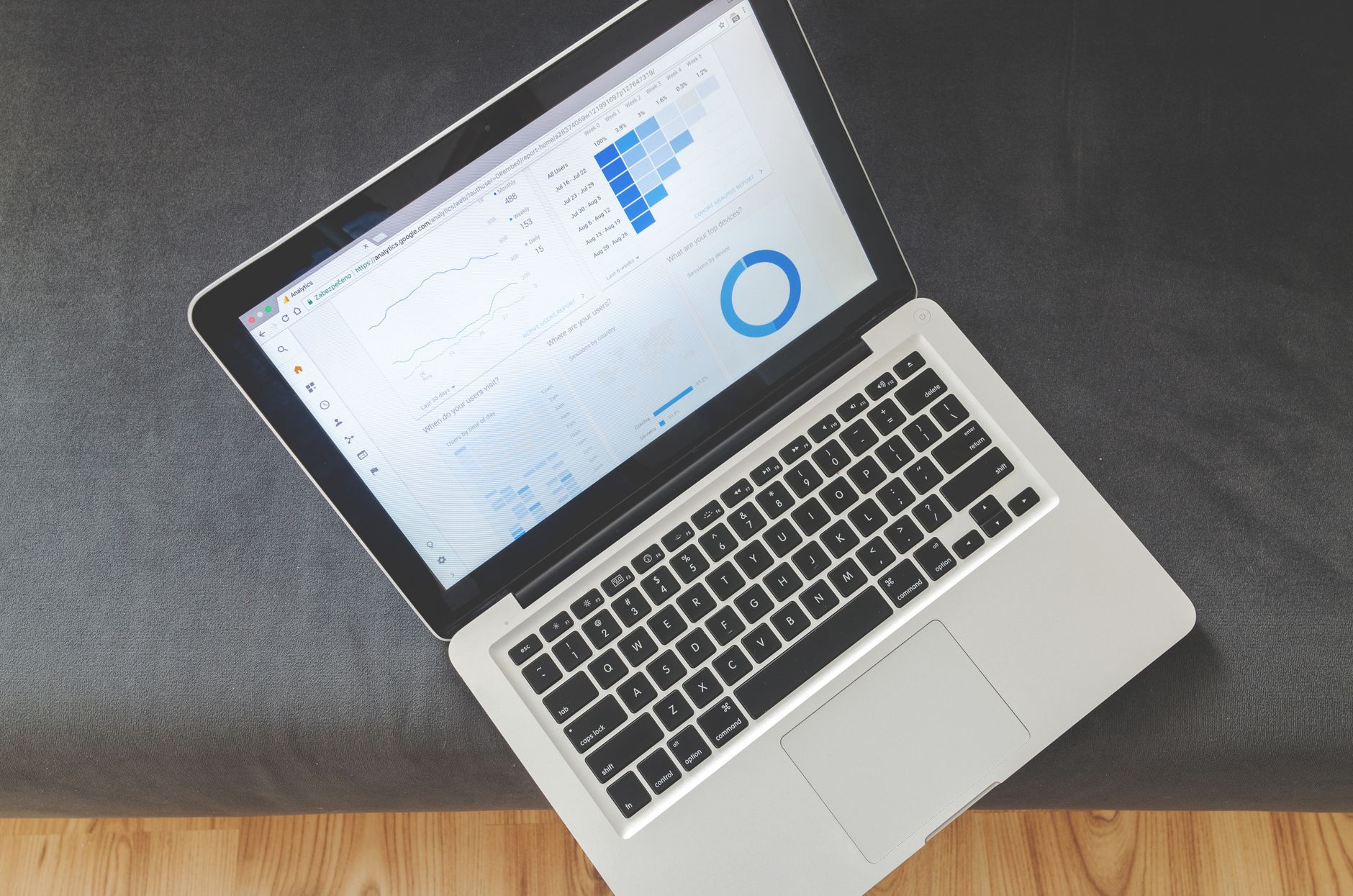
Set up Google Search Console (it’s free) on day one. This tells you exactly which keywords are driving impressions and clicks to your site, which pages are ranking, and where there are indexing issues. Pair it with Google Analytics 4 to understand how organic traffic converts compared to your paid channels.
Track these metrics monthly:
- Organic sessions (month-over-month growth)
- Keyword rankings for your top 20 target terms
- Organic revenue and conversion rate
- Pages entering the top 10 positions
The Bottom Line
SEO isn’t a quick win — and anyone who promises you first-page rankings in 30 days is selling you something. But it’s one of the most reliable, cost-effective growth engines available to Indian D2C brands in 2026. Start with your product pages, build your content strategy, fix the technical foundations, and earn links consistently. Six months from now, you’ll have a traffic source that grows while you sleep — and that’s something no ad budget can buy.