Why Your D2C Brand’s Growth Depends More on AOV Than New Customers
Here’s something most Indian D2C founders realise a little too late: acquiring a new customer costs five to seven times more than selling again to someone who already trusts you. If you’re pumping money into Meta Ads and Google Ads to bring in fresh buyers but doing almost nothing to increase what each customer spends per order, you’re leaving serious money on the table.
That’s exactly where cross-selling and upselling come in. Done right, these two strategies can lift your Average Order Value (AOV) by 20–40% without spending a single rupee more on acquisition. In this playbook, I’ll walk you through exactly how to set these up for your Indian D2C brand in 2026 — with frameworks, tool recommendations, and the mistakes you need to avoid.
Cross-Selling vs Upselling: What’s the Actual Difference?
People confuse these two all the time, so let’s get clear:
- Cross-selling is when you suggest a complementary product alongside what the customer is already buying. If someone buys a protein powder, you cross-sell a shaker bottle or creatine.
- Upselling is when you encourage a customer to upgrade to a better or larger version of what they’re already considering. If someone’s buying the 500g pack, you upsell the 1kg pack at a better per-gram price.
Both tactics increase AOV. But they work best at different stages of the buyer journey — and the key is knowing when to use which.
The 5 Cross-Selling Tactics That Work Best for Indian D2C Brands
1. Frequently Bought Together Bundles
Take a leaf out of Amazon’s playbook. Analyse your order history and find which two or three products are commonly bought in the same transaction. Then create a bundle on your product page — “Customers who bought this also bought…” — with a slight discount for buying together.
If you’re on Shopify, apps like Bold Bundles or Frequently Bought Together can automate this. For WooCommerce, the WooCommerce Product Bundles plugin does the job well. The key is that the bundle has to feel logical and genuinely useful — not random products thrown together to hit a higher cart value.
2. Cart Page Upsell Recommendations
The cart page is one of the highest-converting spots on your website — people are already in buying mode. This is where you place a targeted, relevant recommendation. A simple “Add this for just ₹299 more” with a single product CTA can significantly lift your cart value.
The secret? Limit it to one offer. Too many options cause decision fatigue and can actually reduce conversions. Pick your best-selling complementary product and show it here.
3. Post-Purchase One-Click Upsells
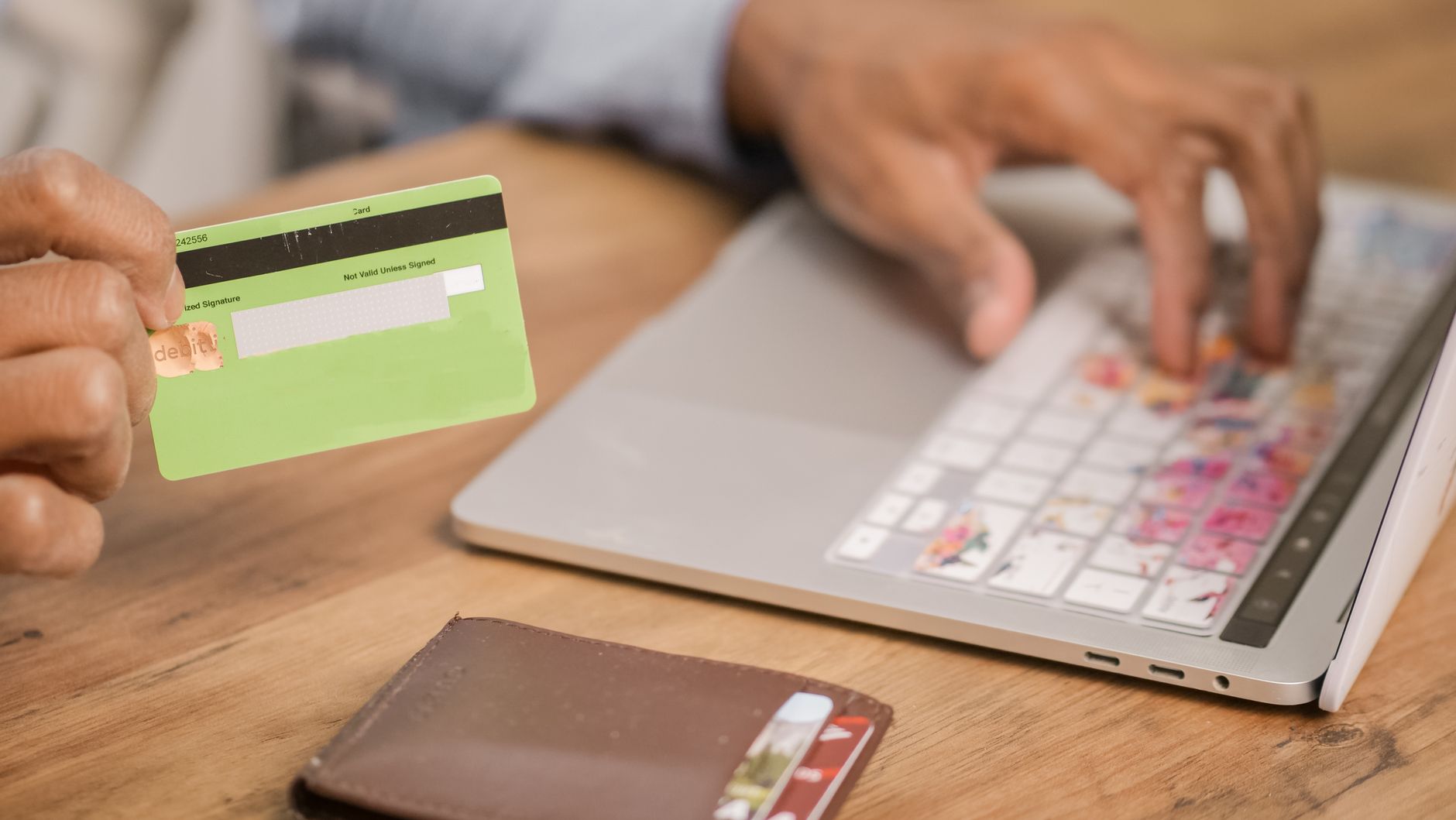
This one’s underused in India. After a customer completes a purchase, you can present a one-click upsell — an offer they can add to their existing order without entering payment details again. Shopify supports this natively through apps like ReConvert or Zipify OCU. Because the card is already charged, adding to the order is frictionless.
A great use case: if someone just bought a skincare serum, offer them the moisturiser that completes the routine at a 15% post-purchase discount.
4. WhatsApp Cross-Sell Flows After Delivery
This is very India-specific and genuinely works. Once a customer has received their order (check your logistics partner’s delivery webhook), trigger a WhatsApp message via Wati or Interakt with a personalised cross-sell recommendation. “Hey [Name], loving your new [Product]? Complete your routine with [Related Product] — here’s a ₹200 coupon, valid for 48 hours.”
The timing is key — you’re catching them at the peak of satisfaction, right when they’ve just opened their order.
5. Email Segmentation-Driven Cross-Sells
If you’re on Klaviyo or any decent ESP, segment your customer list by their first purchase category. Then build automated email flows that cross-sell logically related products. Bought a yoga mat? Three days later, send a collection of yoga blocks, resistance bands, and foam rollers. The recommendation feels personalised because it actually is.
The 4 Upselling Strategies That Increase AOV Without Being Pushy
1. The “Better Value for More” Quantity Upsell
This is the simplest one. On your product page, show a size/quantity selector that makes the math obvious: “500g at ₹599 vs 1kg at ₹999 — you save ₹199.” Indian customers are highly value-conscious; if the per-unit economics are clear, many will naturally upgrade.
2. Subscription Upgrade Upsell
If you offer a subscription product, present the subscription option as a value upgrade on the one-time purchase. “Buy once for ₹799 or subscribe at ₹699/month and never run out.” This works brilliantly for consumables — supplements, coffee, skincare, pet food. The upsell isn’t just on AOV but on lifetime value.
3. Premium Variant Upsell on Product Pages
If you have a standard and a premium version of a product, lead with the standard on the product page but feature the premium variant prominently with a clear “What’s different” comparison. Don’t hide the upsell — 20-30% of customers will self-select into the premium tier if the value difference is clear.
4. Kit Builder / Routine Upsell
Particularly effective in beauty, wellness, and home care. Instead of selling products individually, create a “starter kit” or “complete routine” that bundles three to four items at a slight discount. Present this as the recommended way to achieve the result they’re after. Customers shopping for outcomes — not just products — will often pick the full kit.
How to Decide What to Cross-Sell or Upsell: The Data Approach
Guessing which products to pair is a mistake. Here’s a quick framework to make this data-driven:
- Export your last 6 months of orders and run a simple market basket analysis. Even a Google Sheet with pivot tables can reveal which products frequently appear in the same order.
- Check your product review themes — customers often mention other products they wish they’d bought at the same time. These are organic cross-sell hints.
- Look at your top 20% customers (by total spend) and see what their typical order combinations look like. Model your cross-sells on what your best customers naturally buy together.
Once you have the data, start with your highest-volume product and build one cross-sell and one upsell for it. Test, measure, iterate.
Common Mistakes to Avoid
A few things that kill cross-sell and upsell performance for Indian D2C brands:
- Too many recommendations at once. More than two recommendations at checkout creates analysis paralysis. Pick one, keep it focused.
- Irrelevant pairings. A random product recommendation feels like spam. If the connection isn’t obvious, add a one-liner explaining why they go together.
- No urgency or incentive. Adding a small discount (10-15%) or a time limit (“offer valid for the next 2 hours”) significantly increases uptake on upsells.
- Ignoring mobile experience. With 75%+ of Indian D2C traffic coming from mobile, your cross-sell widgets and popups must be mobile-optimised. Test on a 5-inch screen, not just desktop.
Measuring Success: The Metrics That Matter
Track these every week once you’ve set up cross-sell and upsell flows:
- AOV (Average Order Value): your baseline metric — aim to move this up 15–25% in 90 days
- Attach Rate: the % of orders that include a cross-sell product
- Upsell Conversion Rate: % of customers who accept an upsell offer
- Revenue per Session: a combined metric that captures both conversion rate and AOV improvements
Run A/B tests on your cross-sell and upsell copy, placement, and discount level. Small optimisations compound quickly when you’re running hundreds or thousands of orders a month.
Start Small, Then Scale
You don’t need to implement everything at once. Start with one tactic — I’d recommend the cart page cross-sell or the post-delivery WhatsApp message — and get it working well before adding more. Once you see even a modest 10% lift in AOV, the compounding impact on your overall revenue will make you wish you’d done this sooner.
Cross-selling and upselling aren’t just tactics — they’re how you build a more profitable D2C business without constantly chasing the next new customer. Make the most of every order you already have.