TikTok Shop has quietly become one of the most powerful sales channels for US DTC brands — and most founders are still sleeping on it.
If you run a direct-to-consumer brand in the US and you haven’t seriously explored TikTok Shop yet, you’re missing a channel that’s driving real, measurable revenue for competitors who look a lot like you. Since its US launch in late 2023, TikTok Shop has scaled into a genuine commerce platform — not just a social media add-on, but a full shopping experience built inside the app where discovery, content, and checkout all happen in one place.
This guide breaks down exactly how to use TikTok Shop as a US DTC brand in 2026: from setup and catalogue management to creator partnerships and performance measurement. No hype — just a practical, researched strategy you can apply.
Why TikTok Shop Matters for US DTC Brands Right Now
The core argument is simple: TikTok Shop collapses the traditional funnel. A viewer sees a creator unboxing your product, taps the product tag in the video, and checks out — without ever leaving the app. That friction reduction is significant. Conventional social commerce still pushes users out to a landing page; TikTok Shop keeps them inside an experience they’re already in.
For DTC brands, this is meaningful for a few specific reasons:
- Discovery-to-purchase velocity is faster — impulse-driven categories like beauty, apparel, home décor, and food & beverage convert particularly well.
- Creator-driven content scales your top of funnel — brands can work with thousands of creators simultaneously through the TikTok Shop Affiliate program, each producing native content at essentially zero cost-per-content-piece to you.
- LIVE Shopping drives high-intent buyers — TikTok LIVE sessions with product showcases and limited-time offers have driven significant GMV for brands that run them consistently.
- The platform’s US user base is deeply engaged — with hundreds of millions of monthly active users in the US, the addressable market for mid-market DTC categories is real.
Setting Up TikTok Shop: The Practical Steps
Getting started on TikTok Shop requires a few foundational pieces. Here’s what you actually need:
1. Register on TikTok Seller Center
Head to seller.tiktok.com and apply as a US seller. You’ll need a US-registered business entity, a valid US phone number, a US bank account for payouts, and government-issued ID or business documents. Approval typically takes a few business days. Once approved, you can link your TikTok Business account and access the Seller Center dashboard.
2. Build and Optimise Your Product Catalogue
TikTok Shop’s search and recommendation algorithm surfaces products based on catalogue quality, so this step matters more than most brands realise. For every product listing:
- Write clear, keyword-rich product titles (think search intent, not branding)
- Use high-quality images — at least one clean white-background shot and one lifestyle image
- Write complete product descriptions with dimensions, materials, care instructions, and use cases
- Set accurate inventory and fulfilment details — the platform penalises late shipments heavily
If you’re already on Shopify, you can integrate your catalogue directly using TikTok’s official Shopify app, which syncs products, orders, and inventory automatically.
3. Configure Fulfilment
TikTok Shop offers two fulfilment models for US sellers: seller-fulfilled (you ship directly) and Fulfilled by TikTok (FBT), where TikTok handles warehousing and shipping. FBT can improve delivery speeds and your listing’s visibility in search — it’s worth evaluating for your top SKUs even if you prefer to own fulfilment for most products.
The Creator Affiliate Programme: Your DTC Growth Engine
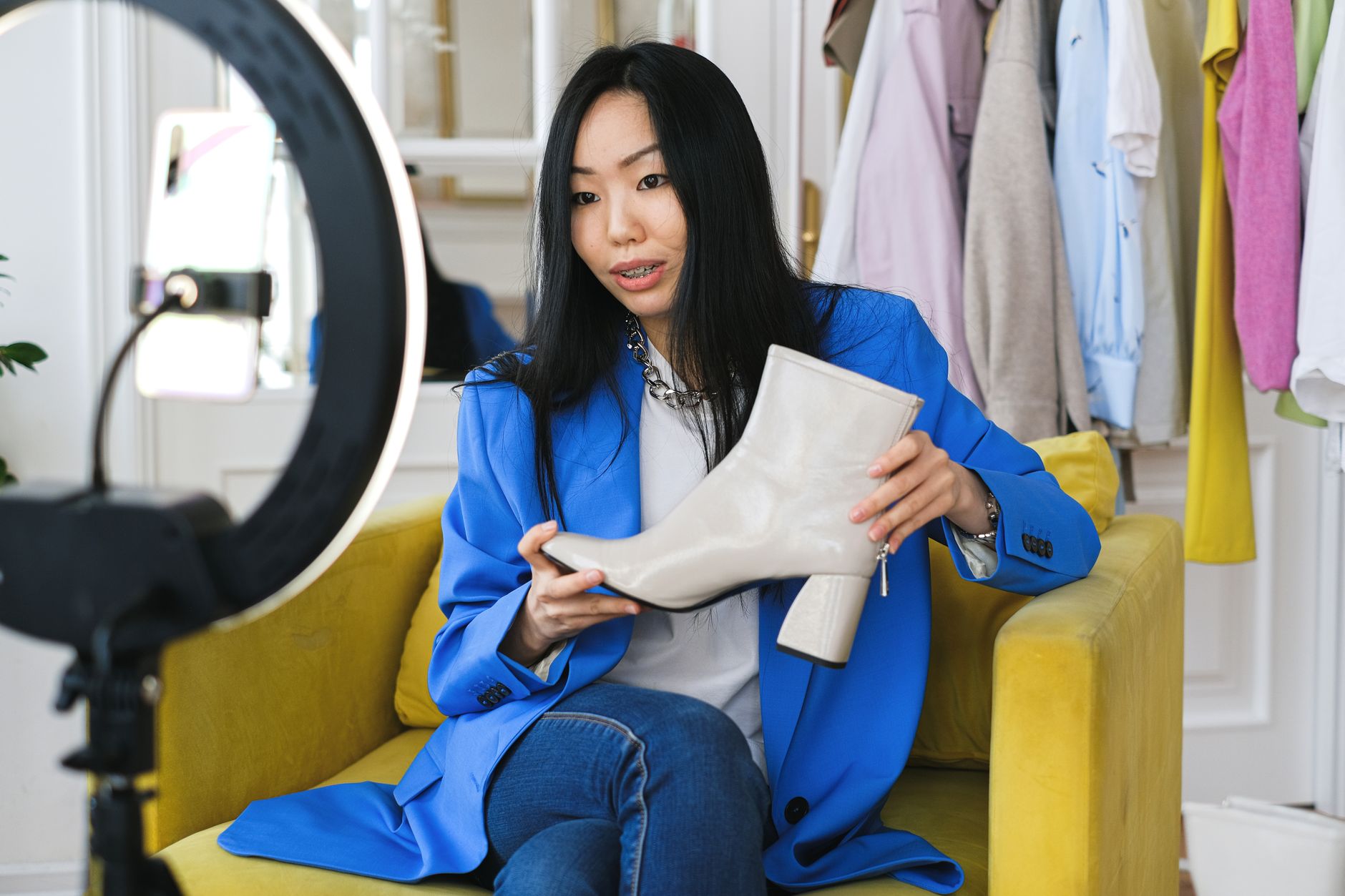
The TikTok Shop Affiliate programme is arguably the biggest unlock for DTC brands on the platform. It lets you connect with creators who promote your products in their videos and LIVE sessions in exchange for a commission on each sale they drive. You set the commission rate; creators apply to promote your products.
Here’s what makes this different from traditional influencer marketing:
- Performance-based cost structure — you only pay when a sale happens. No upfront fees for organic posts, no guaranteed minimum spends.
- Scale through volume — instead of betting on one macro-influencer, you can work with hundreds of micro and mid-tier creators simultaneously.
- Attribution is clean — every sale through TikTok Shop is tracked to the specific creator and video that drove it, giving you clear ROAS data per creator.
Building Your Creator Strategy
Start by setting a competitive commission rate for your category. Research what similar brands in your niche are offering — rates typically range from 5% to 20% depending on margin and category. Lower commission rates tend to attract fewer and lower-tier creators, so be thoughtful about where you land.
Then use TikTok’s Creator Marketplace (accessible through Seller Center) to identify creators whose audience demographics match your buyer profile. Prioritise engagement rate over follower count — a creator with 50,000 highly engaged followers in your category often outperforms one with 500,000 broadly targeted ones.
Send product samples proactively to creators who are strong fits. The combination of free product plus commission is what drives the most consistent creator participation. Once a creator posts content that performs well, consider formalising the relationship with a paid partnership for more controlled content.
Video Shopping Ads and LIVE Shopping
Organic creator content builds the foundation; paid amplification scales it. TikTok’s Video Shopping Ads (VSA) let you promote shoppable videos — either your own brand videos or top-performing creator content — to a targeted US audience. These ads drive viewers directly to your TikTok Shop product pages with one tap.
VSA works best when built on content that’s already proven organic reach. A video that has driven strong organic engagement is far more likely to perform efficiently as a paid placement than a polished brand video made for the format without organic testing first.
LIVE Shopping is the channel’s highest-conversion format for brands willing to invest in it. Running regular LIVE sessions — ideally 3 to 5 times per week — where you or a host demos products, answers questions in real time, and offers session-exclusive discounts has driven outsized GMV for brands in home goods, beauty, and food categories. It requires consistent effort to build an audience, but the economics can be exceptional once the LIVE audience is established.
Measuring TikTok Shop Performance
TikTok Seller Center provides a reasonably complete analytics suite. The key metrics to track for a DTC brand are:
- Gross Merchandise Value (GMV) — total revenue through TikTok Shop, split by channel (organic video, LIVE, paid ads)
- Conversion rate by product — which SKUs actually convert once someone clicks through
- Creator performance — GMV, clicks, and CVR broken down per affiliate creator
- Return rate — high return rates on specific products or creators signal mismatched expectations; address them quickly
- LIVE session metrics — peak concurrent viewers, GMV per session, average watch time
One important note on attribution: TikTok Shop’s in-platform attribution gives you a clear picture of on-platform conversions, but it won’t capture customers who discover you on TikTok and then purchase via your DTC site later. Make sure your GA4 setup includes TikTok as a traffic source with proper UTM parameters on any off-platform links, and consider running a post-purchase survey asking customers how they first heard about you.
What DTC Categories Perform Best on TikTok Shop?
Based on publicly available platform data and category-level performance patterns, certain product types consistently index higher on TikTok Shop in the US:
- Beauty and skincare — high visual appeal, strong creator ecosystem, repeat purchase behaviour
- Apparel and accessories — try-on content drives strong conversion; sizing and returns need careful management
- Home goods and kitchen — “does it actually work?” demonstration content performs exceptionally well
- Health and wellness — supplements, fitness accessories, and functional foods have strong TikTok communities
- Food and beverage — taste-test and unboxing content is highly shareable
If your brand plays in any of these categories, the case for investing in TikTok Shop in 2026 is strong. Categories with lower visual appeal or longer consideration cycles (big-ticket B2B products, complex software, highly regulated categories) are less natural fits.
Common Mistakes to Avoid
Treating TikTok Shop like Amazon. Your product listings need to be optimised for a platform where content context drives discovery, not just keyword search. Invest in the content side of the equation as much as the catalogue side.
Ignoring fulfilment standards. TikTok Shop has strict shipping time requirements and visibility penalties for late fulfilments. If your 3PL can’t consistently hit the platform’s standards, your listing performance will degrade over time.
Setting commission rates too low. A 3% commission in a category where competitors offer 12% will result in your products sitting invisible in the affiliate marketplace. Test and adjust your rates based on creator uptake and GMV performance.
Launching without a content plan. Even the best catalogue needs content to get discovered. Before you go live, have at least 10 to 15 pieces of your own content posted and 3 to 5 creator relationships initiated.
The Bottom Line
TikTok Shop is not a guaranteed silver bullet, but for US DTC brands in the right categories, it represents a genuinely compelling new revenue channel — one where the cost structure (performance-based creator commissions, relatively efficient paid inventory) can produce strong returns when executed well.
The brands winning on TikTok Shop in 2026 are the ones who treated it as a content-led commerce channel from day one, not an afterthought. They built creator relationships, ran consistent LIVE sessions, used paid ads to amplify what already worked organically, and kept a tight eye on their fulfilment and return metrics.
If you want help building a TikTok Shop strategy that fits your brand’s funnel and margin structure, reach out here — it’s a topic I dig into frequently with DTC clients.