If you’re running a D2C brand in India and you’re not yet using influencer marketing as part of your growth strategy, you’re leaving serious money on the table. I’ve seen firsthand how a well-executed influencer campaign can drive more qualified traffic and conversions than even a perfectly optimised Meta Ads campaign — especially for new product categories where trust needs to be built before a customer clicks “buy.”
But here’s the thing: most Indian D2C founders either jump in without a plan and waste budget on influencers who don’t move the needle, or they avoid it entirely because it feels too unpredictable. This guide breaks down how to build an influencer marketing strategy that’s actually measurable and scalable for your D2C brand in India in 2026.
Why Influencer Marketing Works Differently for Indian D2C Brands
The Indian consumer behaviour is unique. Trust and social proof carry enormous weight here — and influencers bridge the gap between a brand and a skeptical first-time buyer in a way that paid ads often can’t. When someone you follow and trust recommends a product in your language, your context, talking about your problems — that’s conversion gold.
What’s changed in 2026 is that the micro-influencer ecosystem in India has matured significantly. You no longer need to spend lakhs on a single celebrity post. A set of 20-30 micro-influencers in your category, each with 10,000–100,000 engaged followers, can outperform a single macro-influencer post both in reach quality and in trackable ROI.
Step 1: Define Your Campaign Goal Before Anything Else
Before you open your Instagram search or reach out to a single creator, be crystal clear on what you want from this campaign. The three most common goals for D2C brands are:
- Awareness: Getting your brand in front of the right audience for the first time
- Consideration: Getting potential customers to engage, explore your product, and think about buying
- Conversion: Driving direct sales, sign-ups, or app downloads
Your goal shapes everything — the influencer tier you choose, the content format, the tracking setup, and even the offer you brief the creator with. A brand-awareness campaign for a new skincare product looks completely different from a conversion-focused campaign for a protein supplement.
Step 2: Choose the Right Influencer Tier for Your Budget
Here’s a practical breakdown of how to think about influencer tiers for Indian D2C brands:
Nano Influencers (1K–10K followers)
Highest engagement rates, lowest cost, and incredibly niche. Perfect for hyper-local campaigns or products that target a very specific community. You can onboard 50–100 nano influencers for the cost of one macro post, and the combined engagement can be significantly higher.
Micro Influencers (10K–100K followers)
The sweet spot for most Indian D2C brands. Strong audience trust, reasonable cost (typically ₹5,000–₹50,000 per post depending on category), and measurable enough to track performance with promo codes or UTM links.
Macro Influencers (100K–1M followers)
Good for category-defining moments and large awareness pushes, but expensive and harder to measure. Use sparingly, and always combine with lower-funnel retargeting ads to capture the interest their posts generate.
Mega / Celebrity Influencers (1M+ followers)
High risk, high cost, and often low engagement rates relative to their follower counts. Unless your brand is at a stage where mass visibility matters more than conversion, this tier rarely makes sense for early-to-mid stage D2C brands.
Step 3: Find Influencers Who Actually Reach Your Customer
The most common mistake I see is brands focusing on follower count rather than audience fit. An influencer with 50,000 followers in Mumbai who primarily talks about fitness is far more valuable for a health supplement brand than a lifestyle influencer with 200,000 followers whose audience skews toward fashion.
Some practical ways to find the right influencers in India:
- Platforms: Winkl, Plixxo, and One Impression are India-specific influencer platforms with verified audience data. LinkedIn-based searches also work well for B2B-adjacent D2C products.
- Manual search: Search hashtags relevant to your product category on Instagram and Reels. Look at who’s consistently posting in that niche with good engagement.
- Competitor research: Check which creators are tagging or mentioning your competitors. These creators already understand your product category and their audience is pre-qualified.
Step 4: Structure Your Brief for Results
A vague brief produces vague content. When you brief a creator, be specific about:
- The core problem your product solves (not just product features)
- Your target customer persona — who are they watching this video for?
- The one key message you want the audience to remember
- A specific call-to-action (promo code, swipe-up link, DM keyword)
- Any brand safety requirements (things NOT to say or show)
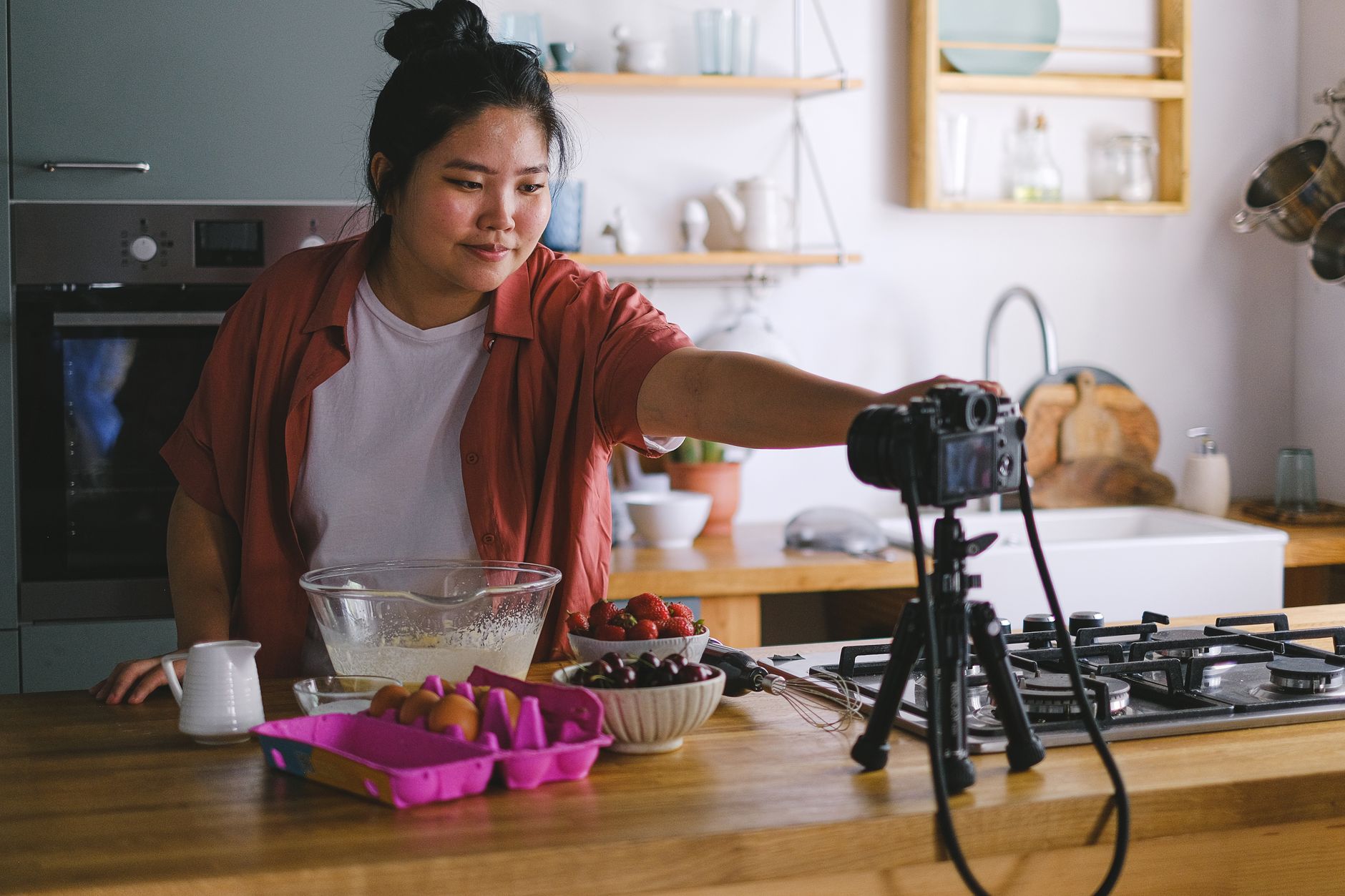
Give creators creative freedom on format and tone — they know their audience better than you do. The more you try to script every word, the less authentic and effective the content becomes.
Step 5: Track What Actually Matters
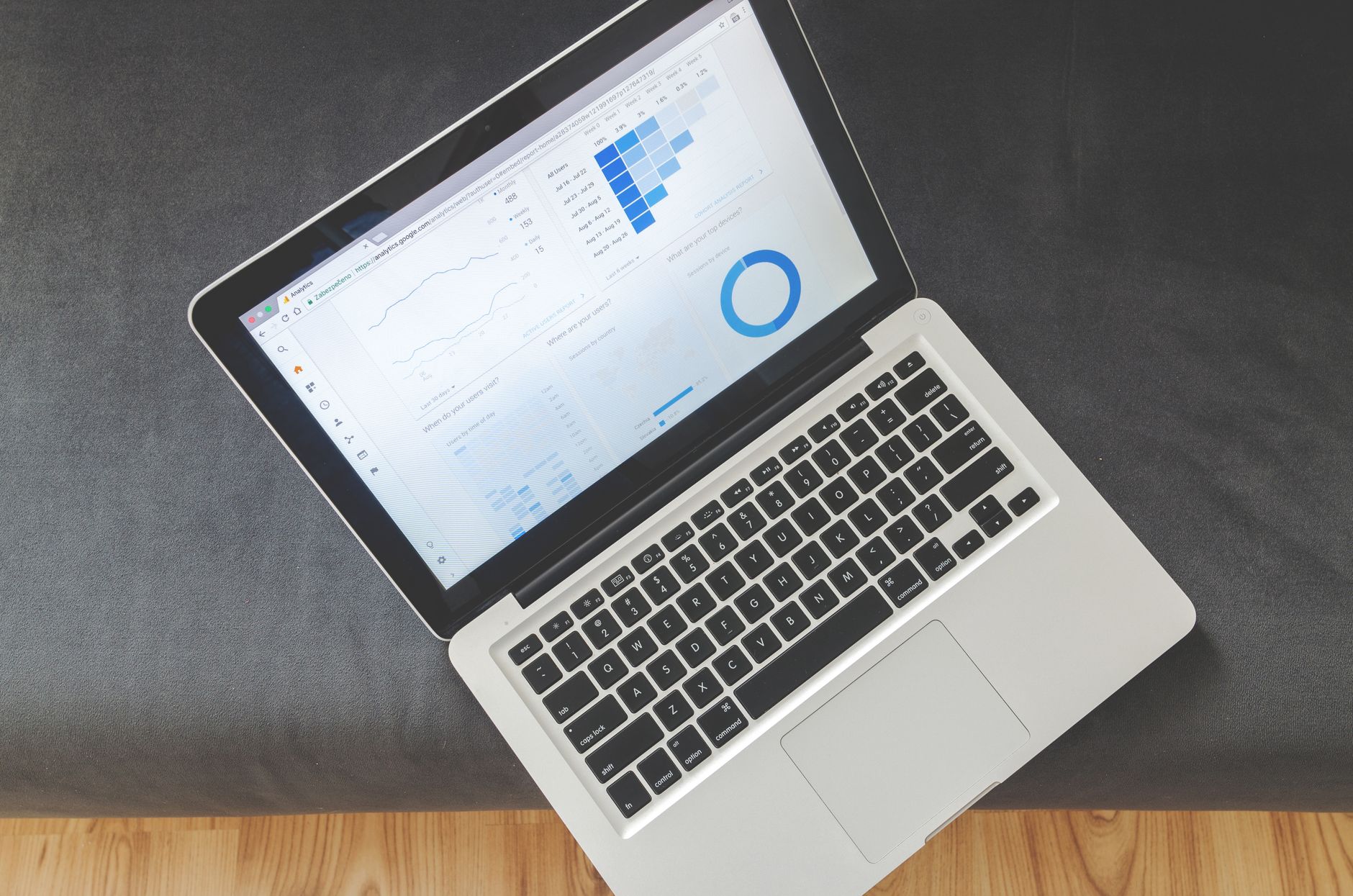
Influencer marketing in India has a reputation for being hard to measure — but only if you don’t set up proper tracking from the start. Here’s what to measure for each campaign goal:
- Awareness: Reach, impressions, share of voice, branded search volume lift
- Consideration: Profile visits, saves, story swipe-ups, website sessions from influencer UTMs
- Conversion: Promo code redemptions, attribution window sales, ROAS per influencer
Always assign unique UTM parameters and promo codes per influencer so you can compare performance cleanly. Over time, this data becomes incredibly valuable — you’ll know which creator tiers, content formats, and product categories perform best for your specific brand.
Step 6: Build Long-Term Relationships, Not One-Off Posts
The biggest leverage multiplier in influencer marketing that most brands miss is consistency. A single sponsored post rarely drives significant ROI. But an influencer who has worked with your brand across 4–6 touchpoints over 6 months becomes a genuine advocate — and that trust compounds.
Look for creators you’d want to work with on a monthly retainer or brand ambassador basis. Give them early access to new products. Involve them in campaign ideation. When a creator genuinely loves what you make, their content shows it — and their audience responds.
Common Mistakes Indian D2C Brands Make with Influencer Marketing
Before I wrap up, here are the most common pitfalls I’ve seen brands fall into — so you can avoid them:
- Chasing follower counts over engagement rates: A 200K follower account with 0.5% engagement is often less valuable than a 15K follower account with 8% engagement.
- Not verifying audience authenticity: Use tools like HypeAuditor or Modash to check for fake followers before signing any deal.
- Ignoring content usage rights: Always clarify in your contract whether you can repurpose the influencer’s content as paid ads (whitelisting). This can dramatically amplify your spend efficiency.
- Setting unrealistic expectations: Influencer marketing builds trust over time. Don’t expect your first campaign to immediately beat your best Meta Ads ROAS.
Putting It All Together
Building an influencer marketing strategy for your D2C brand in India doesn’t have to be complicated, but it does require intention. Start with your goal, find the right tier of creators for your budget, brief them well, track everything with proper attribution, and invest in relationships that compound over time.
The brands that are winning in 2026 aren’t the ones spending the most on influencers — they’re the ones being the most strategic about which influencers, what content, and how they measure the outcomes. Build your system, test consistently, and let the data guide your scale.