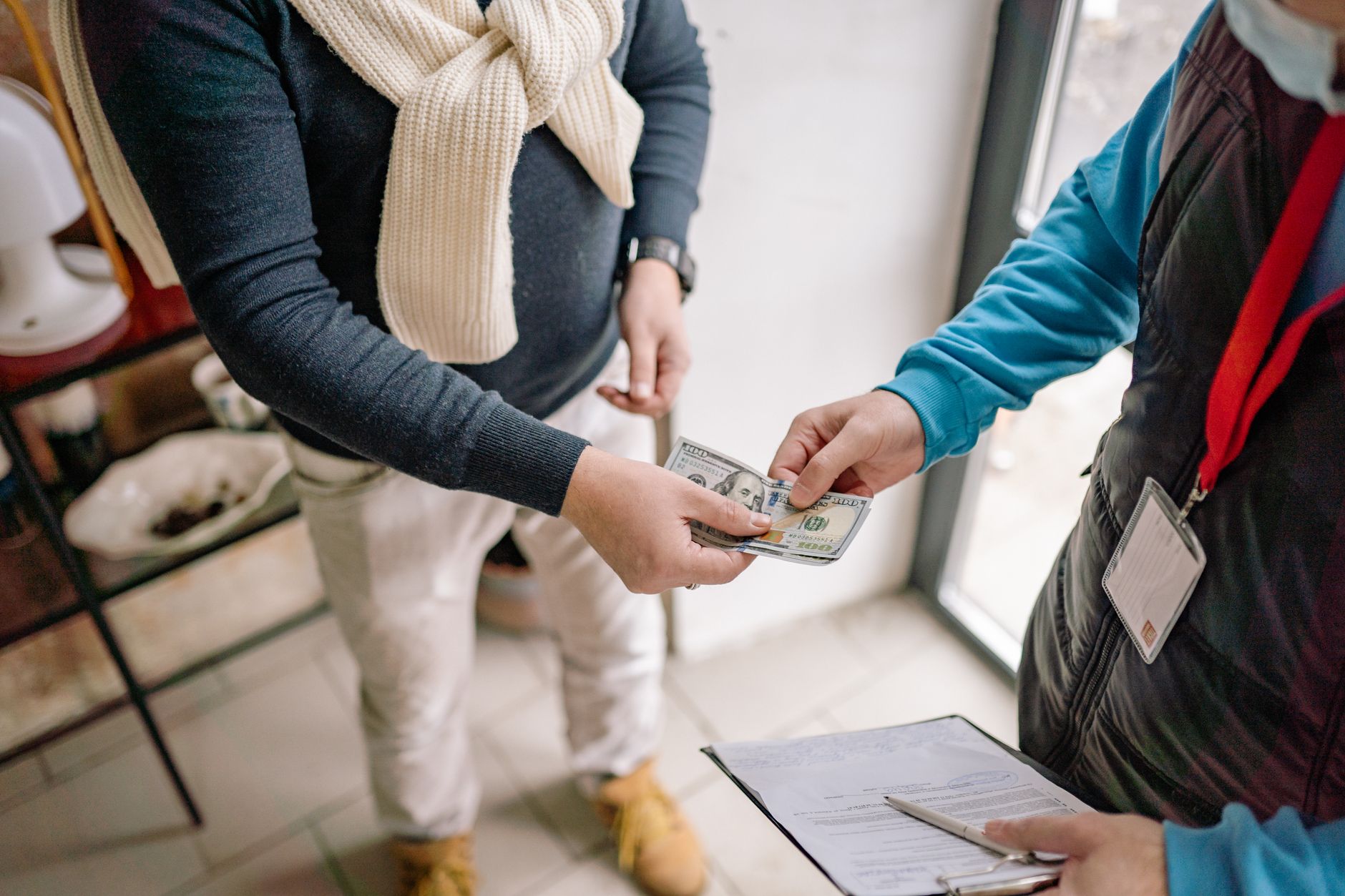
If you are running a D2C brand in India, you already know the pain. A customer places an order, chooses cash on delivery, and you ship it only to have it returned undelivered. The dreaded RTO (Return to Origin) hits your margins, your logistics costs, and your ad spends all at once.
COD still accounts for a significant share of D2C orders in India, particularly in Tier 2 and Tier 3 cities. While COD helps you acquire customers who are hesitant to pay upfront, the RTO rate on COD orders is typically much higher than on prepaid orders. This gap can genuinely damage a growing brand’s unit economics.
The good news? You can actively shift the balance. Brands across fashion, beauty, home and food categories are successfully moving customers from COD to prepaid through a combination of incentives, communication, and smart checkout design. This playbook breaks it all down.

Why COD Is Hurting Your D2C Business More Than You Think
COD is not free. Every COD order you ship carries hidden costs that eat directly into your margins:
- RTO logistics fees: You pay for forward shipping and reverse pickup, often Rs 80 to 150 per order depending on your logistics partner and delivery zone.
- Cash handling fees: Most logistics partners charge 1 to 2% of the COD amount for remittance, which compounds quickly at scale.
- Working capital delay: You ship the product but do not receive payment for 7 to 14 days after remittance. Your cash is locked up while you keep buying inventory and paying ad spends.
- Product damage: Returned products often come back damaged or with broken packaging that prevents resale as new.
- Ad spend waste: If you paid Rs 400 to acquire a customer who ordered COD and then returned the product, that acquisition cost is gone permanently.
For a brand doing meaningful order volumes with a high COD rate and a significant RTO percentage, the losses compound every month. Reducing your COD rate is one of the highest-leverage interventions available to most Indian D2C founders.
Understanding Why Indian Customers Choose COD
Before you can convert customers to prepaid, you need to understand why they choose COD. The most common reasons are:
- Trust deficit: They have been burned before by fake products, wrong colour or size delivered, or an item that never arrived.
- Payment anxiety: The worry of paying upfront and not receiving the product.
- Habit: Many Tier 2 and Tier 3 customers are comfortable with cash and have been shopping COD since they first went online.
- Security concerns: Reluctance to enter card details on an unfamiliar website.
The key insight: most COD customers are not cheap. They are uncertain. Uncertainty can be addressed with the right trust signals and incentives.
Strategy 1: Incentivise Prepaid at Checkout
The most direct tactic is a visible discount for choosing prepaid at checkout. This creates an immediate, tangible reason to switch.
- Show a prepaid discount on the checkout page before the customer selects their payment method. A flat Rs 30 to 100 off, or 5 to 10% for higher-ticket items, works well.
- Use positive framing: “Save Rs 50 by paying online now” rather than “COD charges apply.”
- On Shopify, tools like Checkout X or Razorpay Magic Checkout can implement conditional discounts cleanly. On WooCommerce, conditional discount plugins let you apply discounts tied to specific payment gateways.
Alternatively, add a transparent COD handling fee of Rs 30 to 50. Customers who really want COD will pay it, while price-conscious customers will switch. Either way, you are compensating for the added cost and risk of COD fulfilment.
Strategy 2: Build Trust Signals Across Your Site
If a customer reaches checkout still unsure whether to trust you, no incentive will overcome that hesitation. Trust needs to be built on the product page first.
- Customer reviews with photos and videos: Authentic UGC on product pages builds more confidence than any badge or seal.
- Clear return policy: “10-day easy returns, no questions asked” displayed prominently on the product page, not buried in the footer.
- Secure payment badges: Razorpay or PayU trust seals near the payment section.
- Live delivery timeline: “Expected delivery by [date]” with a pin-code check directly on the product page reduces delivery anxiety before checkout.
- COD availability itself: Paradoxically, showing that COD is an option increases overall trust and can lift prepaid conversion. When customers know they could pay cash on delivery, they feel safer choosing to pay online.
Strategy 3: WhatsApp Verification and Conversion for COD Orders
After a customer places a COD order, send a WhatsApp message: “Hi [Name], your order has been placed. Reply YES to confirm or NO to cancel.” This flow does two things at once:
- Filters out impulse, fake, or accidental orders before you ship, directly reducing your RTO rate on COD.
- Opens a conversation window to offer prepaid conversion: “Reply PREPAY to switch to online payment and get Rs 40 off your order right now.”
Automate this using WhatsApp Business API platforms like Interakt, AiSensy, Wati, or Gupshup, integrated with your order management system or Shopify via webhooks. The setup takes a few hours and pays for itself quickly in reduced RTOs.
Strategy 4: UPI-First Checkout Experience
Many Indian customers who hesitate to enter card details on an unfamiliar site are perfectly comfortable with UPI. They use Google Pay, PhonePe, and Paytm every single day. A UPI-first checkout layout converts a significant chunk of COD fence-sitters.
- Place UPI payment options above COD in your payment method list. Order matters significantly.
- Show UPI app logos visually. Familiarity with the logo reduces friction at the moment of decision.
- Enable the UPI intent flow for mobile users via Razorpay or PayU. It deep-links directly to the customer’s UPI app rather than asking them to type a VPA address manually.
- Consider offering an additional small incentive specifically for UPI payments to further nudge the decision.
Strategy 5: Post-Order Prepaid Conversion Campaigns
After a COD order is placed, send a WhatsApp or SMS message offering a discount if the customer switches to prepaid before their order ships. For example: “Your order is confirmed! Switch to prepaid in the next 2 hours and get an extra Rs 50 off. Pay here: [SHORT LINK]”
This works because the customer’s purchase intent is already established. The only remaining barrier is financial hesitation, and a well-timed offer during this short window consistently drives meaningful conversions for brands that run it systematically.
Strategy 6: EMI Options for Higher-Ticket Products
For products above Rs 1,500, making EMI available at checkout significantly boosts prepaid conversion. Customers who are reluctant to pay Rs 2,500 upfront may happily pay in three easy monthly instalments using their credit card or a BNPL option like Simpl or LazyPay.
Make EMI options visible on the product page itself, not just at checkout. Seeing “Pay in 3 easy instalments” before clicking buy changes how customers perceive the purchase entirely. Razorpay, PayU, and CCAvenue all support dynamic EMI display at checkout.
The Metrics to Track
- COD percentage of total orders: Your headline conversion target
- RTO rate on COD vs. prepaid orders: The core cost driver
- Post-order prepaid conversion rate: From your WhatsApp and SMS campaigns
- Checkout drop-off by payment method: Are COD fees causing abandonment?
- Repeat purchase rate, prepaid vs. COD customers: Prepaid customers typically show higher LTV
Your 30-Day COD Reduction Action Plan
- Week 1: Audit your checkout. Add clear trust signals, a visible return policy, and move UPI above COD in the payment list.
- Week 2: Add a prepaid incentive or a transparent COD fee. A/B test the framing to find what resonates with your customers.
- Week 3: Set up a WhatsApp COD verification flow and a post-order prepaid conversion campaign.
- Week 4: Review your metrics. Double down on what moved the needle.
Shifting your COD ratio even modestly can make a real difference to your working capital, logistics costs, and overall profitability. Start with one strategy this week and build from there. The brands winning in India right now are not just spending more on ads. They are fixing the fundamentals of how they take payment and deliver trust to their customers.