
If you run a D2C brand in India, you already know how expensive paid ads have become. CPMs are rising, ROAS is under pressure, and getting customers to trust you is harder than ever. That’s exactly why smart brands are turning to User-Generated Content (UGC) — real photos, videos, and reviews created by your customers — to build trust, reduce ad costs, and scale faster.
I’ve worked with multiple Indian D2C brands across categories like skincare, fashion, and home goods. The ones that figure out UGC early consistently see better click-through rates, lower cost-per-acquisition, and stronger long-term brand equity. This playbook breaks down exactly how to do it.

What Exactly Is UGC — And Why Indian D2C Brands Need It Right Now
UGC is any content — a photo, a reel, a review, an unboxing video — that a real customer creates about your product without you scripting it. It’s the digital equivalent of word-of-mouth, and it’s incredibly powerful for a few reasons.
- Trust: Indian shoppers are skeptical. They check reviews on Amazon, Google, and YouTube before buying. A real customer talking about your product is far more convincing than a polished brand ad.
- Cost: Producing quality creative is expensive. UGC is essentially free creative that keeps working for you.
- Algorithm love: Meta’s algorithm rewards content that feels native. UGC-style ads have lower CPMs because they don’t look like ads.
- Conversion: UGC on product pages — reviews, photos, testimonials — can meaningfully lift add-to-cart and purchase rates.
The 4 Types of UGC That Work Best for Indian D2C Brands
1. Photo Reviews
A customer holding your product, wearing it, or using it in their home. These work brilliantly on Instagram and as Meta ad creatives. The more authentic and unfiltered, the better — a real person’s kitchen is more relatable than a studio shoot.
2. Unboxing & First-Use Videos
Short-form video is the highest-performing format on Reels and YouTube Shorts right now. When customers open your packaging on camera, it builds anticipation and trust simultaneously. Great for beauty, fashion, home, and gadget categories.
3. Text Reviews with Specifics
Not just “great product” but “I’ve been using this serum for 3 weeks and my dark spots have visibly reduced.” The specificity is what makes it credible — and those specific phrases become your ad copy.
4. “Before & After” Transformations
If your product solves a clear problem — whether it’s skincare, fitness, home organisation, or food — before-and-after content is gold. It tells a complete story in seconds.
How to Collect UGC Systematically (Without Begging for It)
The biggest mistake brands make is waiting for UGC to happen organically. You need a system to generate it consistently.
Build It Into Your Post-Purchase Flow
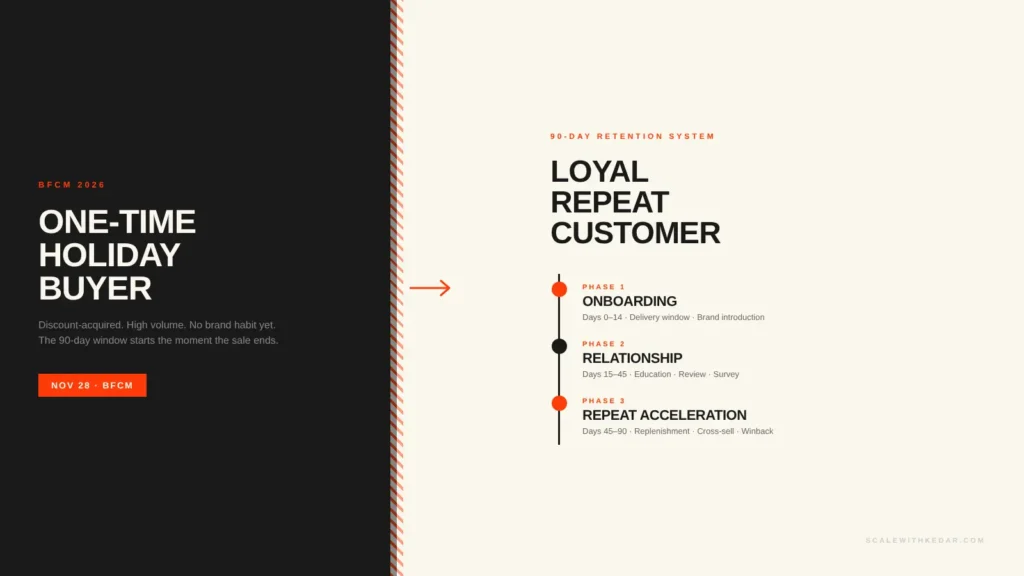
Your post-purchase WhatsApp sequence or email flow is the most underutilised UGC engine. Around day 7-10 after delivery — when the customer has actually used the product — send a simple message: “We’d love to see how you’re using [product]. Share a photo or video and get ₹100 off your next order.” Keep it conversational, not corporate.
Create a UGC Reward Programme
Give customers a genuine incentive: store credit, a free product, or an exclusive discount. Make it easy — a WhatsApp link or a Google Form where they can upload content directly. Don’t make them post on Instagram first; collect the raw content from them and repurpose it yourself.
Work With Nano and Micro Creators
A creator with 5,000–50,000 followers in your product niche often delivers better engagement and more authentic content than a big influencer. In India, you can find micro-creators across every category on platforms like Winkl or Qoruz, or simply by searching hashtags on Instagram. Pay them ₹500–₹3,000 per piece of UGC content — the usage rights are what you’re buying, not follower reach.

How to Turn UGC Into High-Performing Meta Ads
Collecting UGC is half the battle. Using it strategically in your ad account is where the real ROI comes from.
The Raw Footage Approach
Take the UGC video, add a text overlay with your key claim in the first 3 seconds, and run it as a Reel-style Meta ad. Don’t over-produce it. The raw, authentic look is part of what makes it work. Keep captions on (85% of Meta videos are watched without sound).
UGC as Social Proof in Retargeting
When someone visits your website but doesn’t buy, retarget them with UGC — a real customer’s review video or a “here’s what people are saying” carousel. At the middle and bottom of funnel, social proof is often the deciding factor.
Test UGC Against Your Polished Brand Creative
Run a split test: your branded creative vs. a raw UGC piece with the same hook. In most D2C categories, UGC wins on CPC and CTR. Once you have that data for your specific audience, you can make smarter creative decisions.
UGC on Your Website: Don’t Forget Owned Channels
UGC isn’t just for ads. Your product pages are where purchase decisions get made, and UGC there does serious conversion work.
- Add customer photos to your product gallery (with permission)
- Embed Google or Shopify reviews with photos prominently on the product page
- Create a “Real Results” or “Customer Stories” section — simple text with photos, no heavy design needed
- Feature UGC on your homepage hero or in a rotating banner
Tools like Loox, Judge.me, or Stamped.io integrate directly with Shopify and make collecting and displaying photo reviews dead simple. Even free tiers are enough to get started.
Staying Compliant: The One Thing Most Indian Brands Miss
Before you use any customer’s content in ads or on your website, get written permission. A simple WhatsApp message — “Can we feature your review in our ads? We’ll credit you / give you a discount” — is enough for most purposes. For creators, include usage rights in your brief or agreement. This protects you from potential disputes and is just good practice.
Your 30-Day UGC Quick-Start Plan
- Week 1: Audit your existing reviews — find any with photos or detailed text. These are your first UGC assets.
- Week 2: Add a UGC request to your post-purchase WhatsApp or email sequence. Offer a small incentive.
- Week 3: Identify 3–5 micro-creators in your niche and brief them for UGC videos. Set clear deliverables and usage rights.
- Week 4: Build your first UGC-based Meta ad. Test it against your existing best-performing creative.
UGC isn’t a shortcut — it’s a system. Brands that build that system early have a compounding advantage: every month, their library of trust-building content grows, their ad costs drop, and their conversion rates improve. Start small, be consistent, and let your customers become your best marketers.