
If you’re running a DTC brand in 2026 and still relying solely on paid acquisition to drive revenue, you’re leaving significant money on the table. A well-built customer loyalty program changes the math — it turns your best buyers into repeat customers and brings down your effective CAC over time.
This guide walks through a practical framework to build a loyalty program that actually moves the needle for US ecommerce brands, without overcomplicating the tech stack or burning budget on features your customers won’t use.
Why Loyalty Programs Work Differently for DTC Brands
Traditional retail loyalty programs — think airline miles or punch cards — trade on volume and distribution. DTC brands have a different edge: direct access to customer data, first-party relationships, and the ability to tailor every touchpoint.
The core business case is straightforward. Returning customers spend more per order and cost significantly less to convert than new ones. When you combine that with rising CPMs on Meta and Google, a loyalty program that increases repeat purchase rate even modestly can shift your profitability curve meaningfully.
That said, most DTC loyalty programs fail because they launch a points system and call it done. Points without perceived value, without emotional connection, without a reason to actually engage — those programs collect dust in your email footer.
The Three Loyalty Program Models Worth Considering
Before you choose a tool or set a points formula, decide which model fits your brand and your customer behavior:
1. Points-Based Programs
The most common model. Customers earn points per dollar spent and redeem them for discounts or free products. This works well when your customers buy frequently enough that they see value accumulating. If your repurchase window is 18+ months, points often expire before they’re used — creating friction rather than loyalty.
2. Tiered Programs
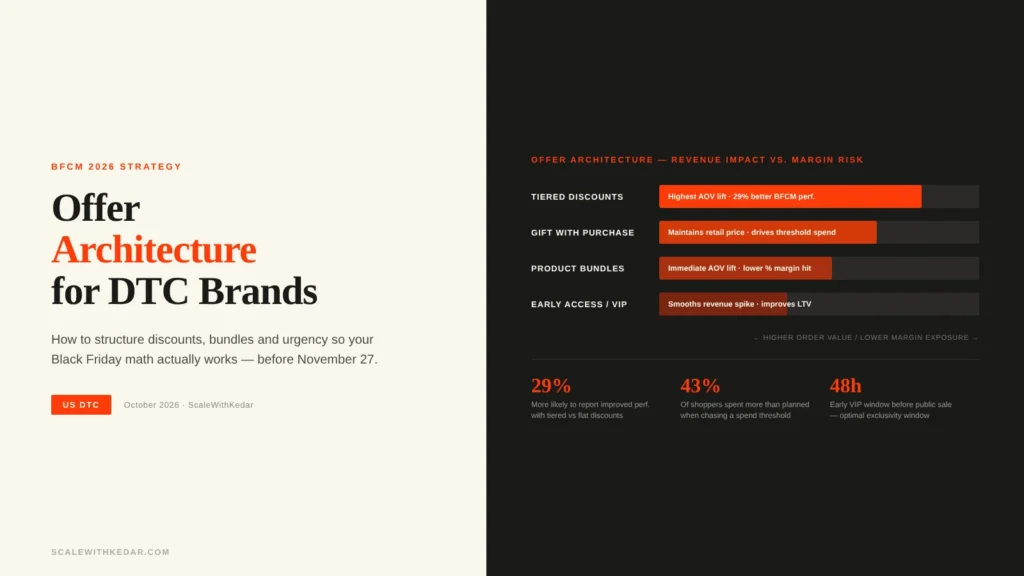
Customers move through levels (Silver, Gold, Platinum) based on spend or activity. Higher tiers unlock better rewards. Tiered programs are powerful for driving up AOV and repeat frequency because customers are motivated to reach the next level. The risk: if tiers feel out of reach, lower-spend customers disengage entirely.
3. Paid Membership Programs
Customers pay a flat fee — monthly or annual — for exclusive benefits: free shipping, early access, member-only pricing. Think Amazon Prime applied at the brand level. These work well for high-frequency purchase categories such as consumables, personal care, and food. They qualify buyers upfront, which means your member cohort typically shows significantly higher repeat purchase rates compared to your general base.

Building Your DTC Loyalty Program: Step-by-Step
Step 1: Anchor on One Goal
Don’t try to improve everything at once. Define the single metric your loyalty program needs to move. Is it repeat purchase rate? Average order frequency? Customer lifetime value? The metric you pick shapes every decision downstream — what rewards to offer, how to tier the program, which behaviors to incentivize.
Step 2: Identify Your Top 20% of Buyers
Pull your customer data and look at who buys most often and at highest value. These buyers are your loyalty program’s base audience. Understanding what they already love about your brand tells you what to amplify — not what to invent from scratch.
Step 3: Define Earn and Burn Mechanics
If you’re running a points program, the earn-to-burn ratio matters more than most brands realize. Too generous and you’re eating into margin; too stingy and customers feel the program isn’t worth engaging with. Validate your formula against your margin structure before you launch — what works as editorial guidance for one brand may not fit your unit economics.
Step 4: Build the Loyalty Trigger Stack
Points on purchase is table stakes. Add non-purchase earn opportunities: reviews, referrals, social shares, birthday rewards, and product registrations. These drive engagement between purchase cycles and reduce the sense that loyalty is just a discount program in disguise.
Step 5: Integrate With Your Email and SMS Flows
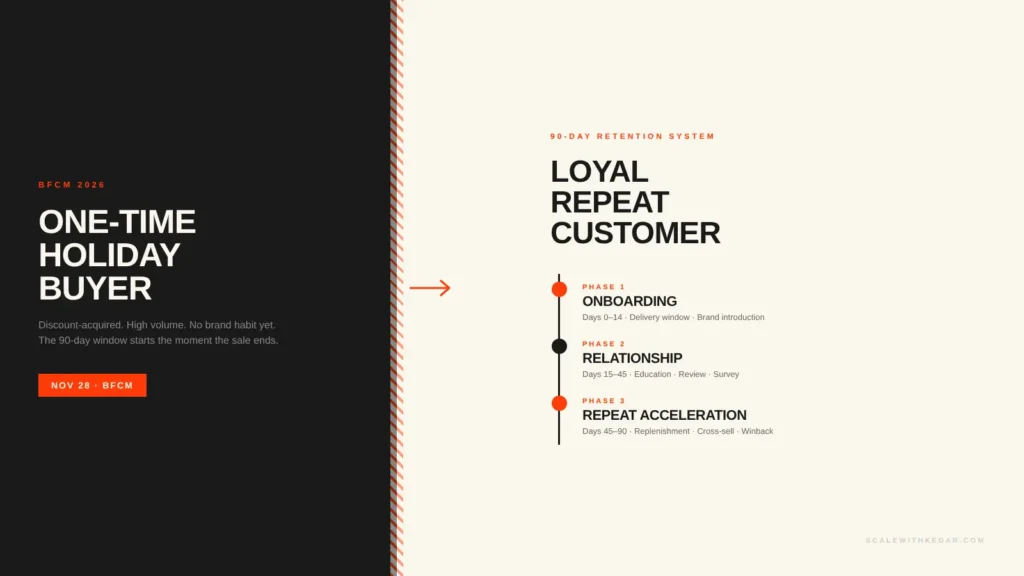
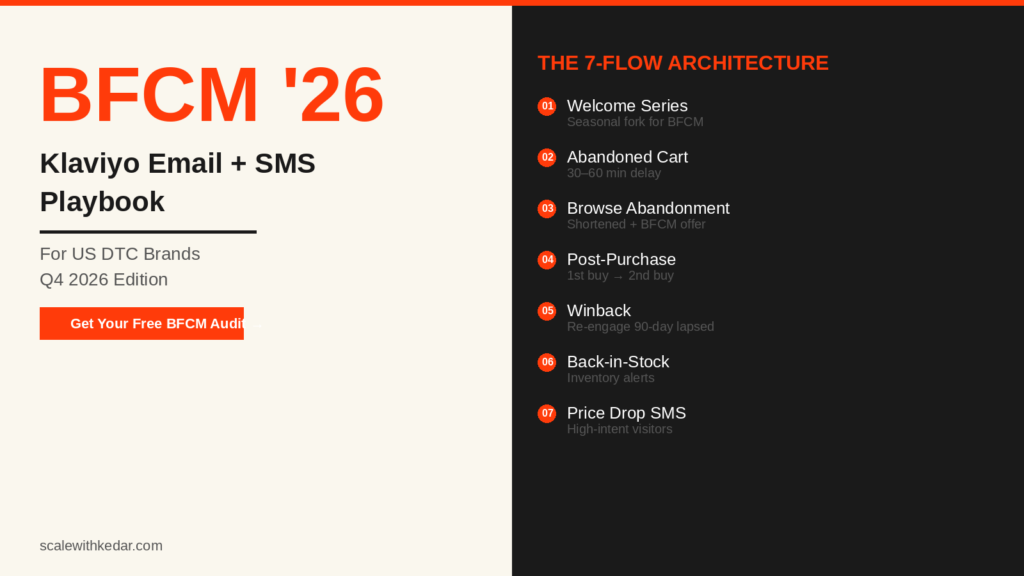
A loyalty program that lives only on a standalone page is a program most customers forget exists. Integrate it into your post-purchase email sequence, your win-back campaigns, and your SMS flows. Remind customers of their points balance before they’re about to lapse. Use milestone moments — first redemption, tier upgrade — as engagement hooks.

Metrics That Actually Matter
Most DTC loyalty dashboards surface vanity metrics — total members enrolled, total points issued. Track these instead:
- Loyalty member repeat purchase rate vs. non-member: The clearest measure of program effectiveness
- Redemption rate: Low redemption often signals the rewards feel out of reach or irrelevant
- Time to second purchase: A loyalty program should shorten this window
- Program-attributed revenue: Be careful how your platform attributes this — most will over-attribute
- Incremental revenue vs. program cost: Include both discount liability and platform fees in your margin calculation
Common Mistakes DTC Brands Make
Launching without a communication plan. The loyalty program email series — welcome, balance reminders, tier upgrades, expiry warnings — drives most of the program’s engagement. If you haven’t planned these before launch, adoption will be weak regardless of how well the program is structured.
Copying competitors without validating fit. What works for a beauty brand with monthly repurchase cycles won’t work the same way for a furniture brand with multi-year purchase windows.
Treating loyalty as a discount channel. The most successful programs build emotional loyalty first — exclusive access, early product drops, behind-the-brand content — and use discounts as a secondary lever, not the primary hook.
Tools Worth Considering
The most commonly used loyalty platforms for US DTC brands include Yotpo Loyalty (strong review plus loyalty integration), Smile.io (clean UX, Shopify-native), LoyaltyLion (more customization, better for complex tier logic), and Okendo (reviews plus loyalty with strong CDP integrations). Most offer a starting tier, but enterprise-level features like predictive tier logic or custom API integrations typically require a higher-tier plan.
The right platform depends on your tech stack, your Shopify or headless setup, and how complex your loyalty logic needs to be. Don’t pay for a platform your team won’t have the bandwidth to configure properly.
Build a Loyalty Program That Actually Works for Your Brand
A loyalty program is an investment that pays back over multiple purchase cycles — not the next 30 days. The brands that win here are the ones that align program mechanics with their actual customer behavior, rather than chasing the flashiest rewards engine on the market.
If you want a hands-on audit of your current retention strategy and a clear roadmap for a loyalty program that fits your brand, request a free growth audit here. I work with US DTC and ecommerce brands to diagnose retention gaps and build systems that compound over time.