Why Most DTC Sales Funnels Are Leaking (And Nobody’s Looking)
You’re driving traffic. Your ads are running. People are landing on your site. But the revenue? Not where it should be. If that sounds familiar, you’re not alone — most US DTC brands I talk to have a leaky funnel they haven’t diagnosed yet.
Here’s the thing: a funnel audit isn’t glamorous. But it’s the single highest-leverage activity you can do before throwing more budget at acquisition. This guide walks you through a systematic, step-by-step process to find exactly where your funnel is bleeding — and what to fix first.

Step 1: Map Your Full Funnel Before You Touch Any Data
Before you open GA4 or your ad platform, draw your funnel on paper (or a whiteboard). Most DTC brands have something like this:
- Awareness: Paid social ads, organic content, influencer posts
- Consideration: Landing page or collection page → product detail page
- Conversion: Add to cart → checkout initiation → purchase
- Retention: Post-purchase email flow → repeat buy
Write out every step. Then mark where you’re measuring and where you’re guessing. Most brands discover they’re guessing at 30–40% of the funnel — that’s your first problem.
Step 2: Pull Your Benchmark Numbers
You can’t find a leak without baseline numbers. For each funnel stage, pull these metrics from GA4 and your ecommerce platform:
- Landing page → product page click-through rate — Typical range for DTC: 25–45%
- Product page → add-to-cart rate — Healthy benchmark: 8–15%
- Add-to-cart → checkout initiation rate — Should be above 60%
- Checkout initiation → purchase rate — Healthy is 50–65%
- Overall site conversion rate — Most DTC brands fall in 1.5–3.5% range
Note: These are general industry reference ranges based on publicly available DTC benchmarking research. Your specific numbers depend on your product category, price point, and traffic quality.
Step 3: Identify Your Biggest Drop-Off Point
Look at your funnel stage by stage. Find the single step with the biggest percentage drop. That’s your primary leak — and where your audit effort should concentrate first.
Common leak patterns and what they signal:
- High bounce on landing page: Ad-to-page message mismatch. The promise in the ad and the headline on the page aren’t aligned.
- Low product page to add-to-cart: The product page isn’t overcoming objections. Check social proof, imagery quality, size/variant clarity, and how clearly the value proposition reads.
- High add-to-cart abandonment: Likely a trust or friction issue. Think unexpected shipping cost reveals, too many form fields, or lack of a guest checkout option.
- High checkout drop-off: Payment method gaps, no buy-now-pay-later option, or a clunky mobile checkout experience.
Step 4: Segment Your Traffic Before Drawing Conclusions
One mistake brands make is auditing the funnel as a single entity. Your paid traffic, organic traffic, and email traffic often behave very differently. A low overall conversion rate might actually be driven by cold paid traffic performing poorly — while email traffic converts beautifully.
In GA4, filter your funnel reports by traffic source/medium. You’re looking for:
- Which channels have healthy conversion rates?
- Which channels are dragging down your averages?
- Is mobile converting at the same rate as desktop? (Often it isn’t.)

Step 5: Run Qualitative Research to Validate Your Hypothesis
Data tells you where buyers are dropping off. Qualitative research tells you why. Here are three fast ways to get answers:
- Session recordings: Tools like Microsoft Clarity (free) or Hotjar let you watch real user sessions. Look for rage clicks, scroll depth, and where people hesitate or exit.
- On-site survey: A single exit-intent question — “What’s stopping you from completing your purchase today?” — can surface objections your data never will.
- Customer interviews: Talk to 5–10 recent buyers. Ask what almost stopped them from buying. This consistently surfaces the issues that matter most.
Step 6: Prioritise Fixes by Impact and Effort
Once you have a clear picture of your leaks, resist the urge to fix everything at once. Build a simple prioritisation matrix:
- High impact + low effort: Fix immediately. Examples: adding a “Free Returns” badge, clarifying shipping timeframes, adding a guest checkout button.
- High impact + high effort: Schedule and resource properly. Examples: a full checkout redesign, new product photography, a landing page rebuild.
- Low impact + low effort: Do these in batch during slower periods.
- Low impact + high effort: Deprioritise or remove from the roadmap entirely.
How Often Should You Run a Funnel Audit?
A thorough audit like this takes 4–6 hours the first time and 1–2 hours for subsequent reviews. Most DTC brands benefit from running a full audit quarterly — and a lighter version (just pulling benchmark numbers and checking for major drops) monthly, especially before and after a major traffic or promotional event.
The One Metric Most DTC Founders Ignore
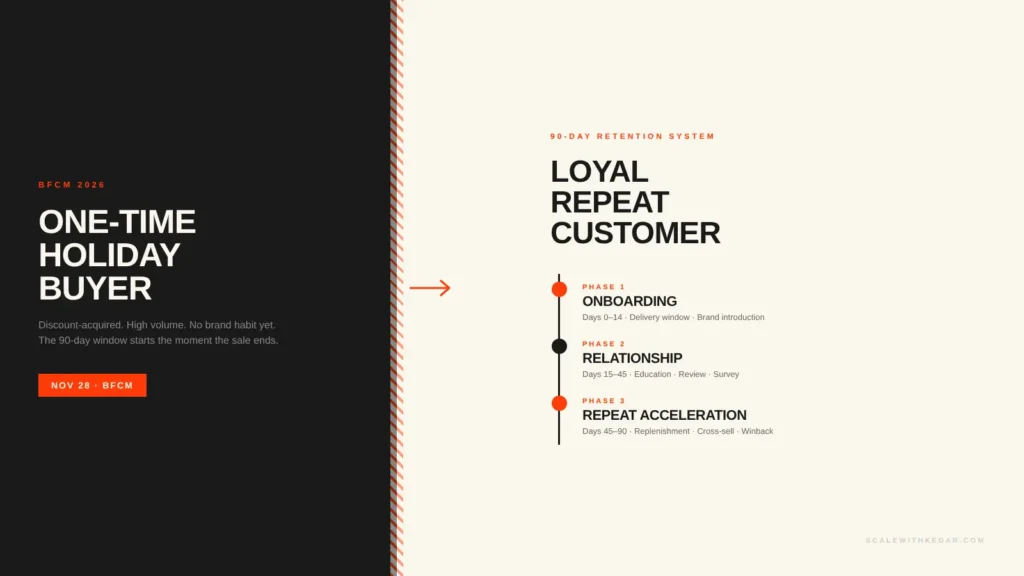
Here’s something worth noting: repeat purchase rate. A leaky funnel doesn’t end at the first purchase. If your 90-day repeat purchase rate is below 20%, your post-purchase flow is a leak too — and often more valuable to fix than adding more top-of-funnel spend.
Your highest-converting audience is the one that already bought from you. Fixing your retention funnel often delivers faster revenue lift than fixing your acquisition funnel.
Ready to Fix Your DTC Funnel?
If you’d like help running this audit on your brand’s actual data — or building a systematic CRO roadmap based on the findings — I work with US DTC and ecommerce founders on exactly this kind of performance-layer work.
Get in touch to discuss a funnel audit for your brand →
Frequently Asked Questions
What tools do I need to run a DTC funnel audit?
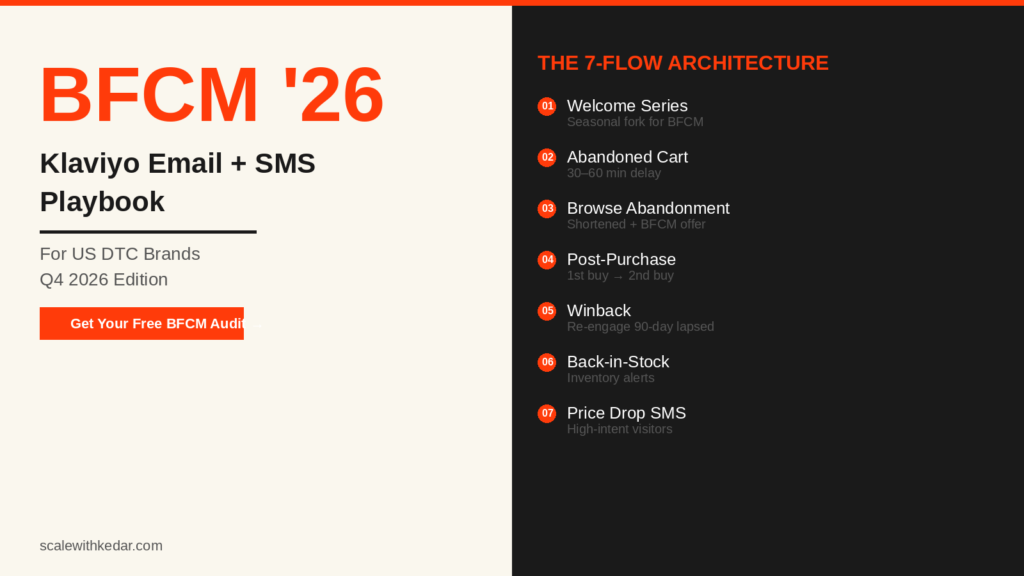
At minimum, you need GA4 with ecommerce tracking properly set up. Microsoft Clarity is a free addition for session recordings. Your email platform (Klaviyo, for example) provides post-purchase retention data.
How long does a thorough funnel audit take?
Plan for 4–6 hours for a first full audit across a well-tracked funnel. Subsequent quarterly reviews usually take 1–2 hours once your benchmark numbers are documented.
Should I fix the top of funnel or the bottom first?
Almost always start at the bottom — checkout and cart abandonment fixes deliver faster revenue impact because you’re capturing buyers who are already motivated. Top-of-funnel work is important but more gradual in effect.