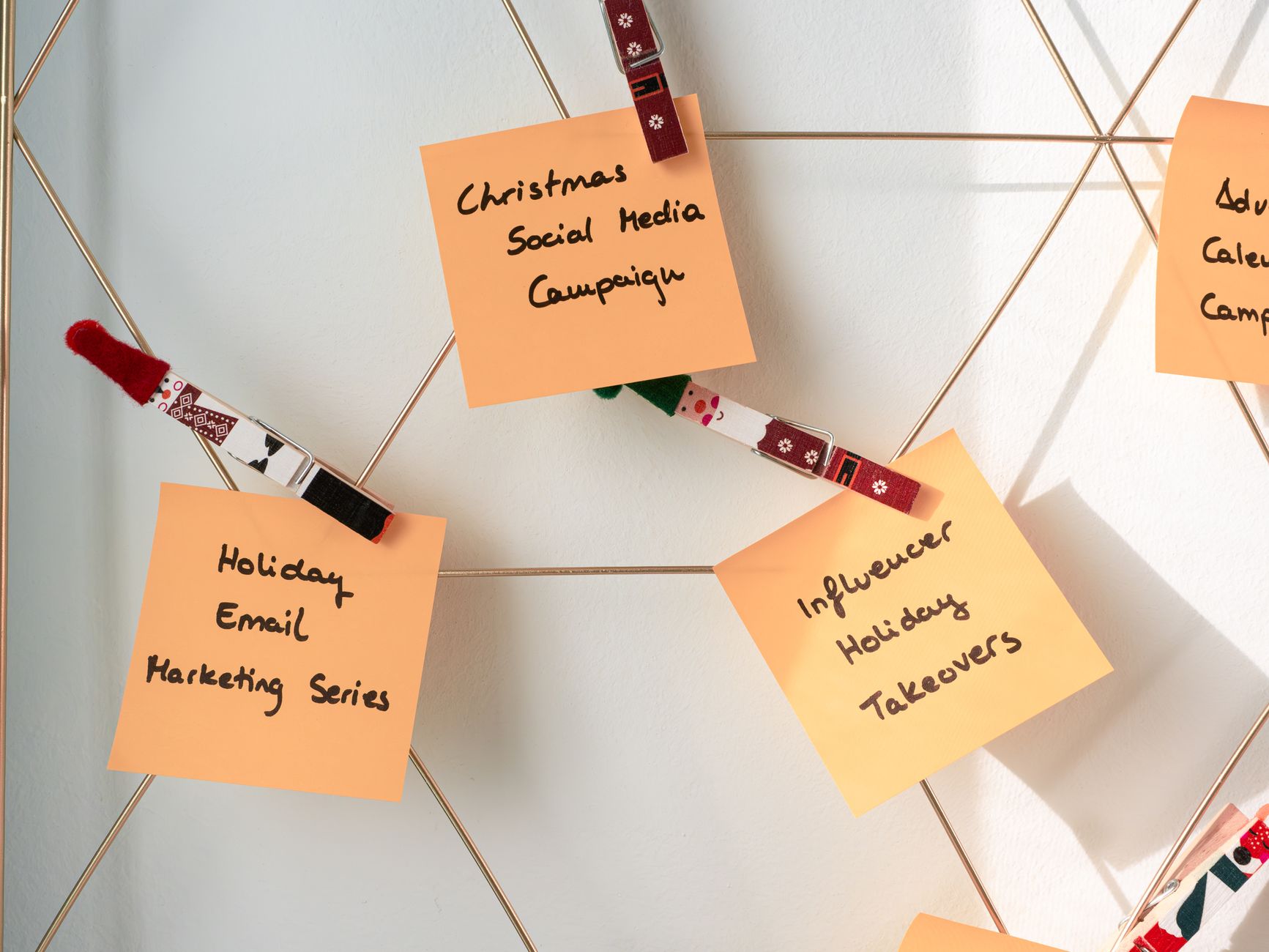
If you are running a D2C brand in India, August is not the time to relax. It is the time to plan. The festive season — from Navratri all the way through Diwali, Bhai Dooj, and into early December — is when Indian consumers spend the most. Ecommerce platforms launch their biggest sale events of the year during this window: Amazon’s Great Indian Festival, Flipkart’s Big Billion Days, Meesho’s Mega Sale. Your brand needs to be ready before the guns go off, not scrambling during.
This playbook is for founders, performance marketers, and brand managers who want to go into the festive season with a real strategy — not just a last-minute discount and a boosted post. Here is exactly what to do, starting right now in August 2026.

Step 1: Fix Your Foundation Before You Scale
This is the mistake most brands make — they pour money into ads without fixing what the ads are sending people to. Before you run a single rupee of festive ads, audit these three things:
Your Product Pages
Your product page is your most important conversion asset. For the festive season, make sure it has high-quality images (at least 5-7 angles), a clear hero benefit in the first 100 pixels, trust signals like reviews and return policy, and urgency triggers that make sense for the festive context — “Gift-ready packaging included” or “Ships before Diwali” are powerful when used honestly.
Your Checkout Flow
If your checkout takes more than 4 steps, you are leaving money on the table. Audit your abandonment rate now. Test one-page checkout if you are on Shopify or WooCommerce. Enable the most popular payment methods your audience uses — UPI, EMI options, and Pay Later matter enormously for Indian buyers.
Your Site Speed
Indian mobile users are impatient — and rightfully so. Your store needs to load in under 3 seconds on a 4G connection. Use Google PageSpeed Insights to find your biggest bottlenecks and fix them before traffic spikes in October.
Step 2: Build Your Audience Now (Not in October)
Festive season is the worst time to start building an audience. CPMs on Meta and Google spike dramatically during Navratri and Diwali. If you have not been warming up your audiences since August, you will pay premium rates for cold audiences when it matters most.
Here is what to do right now:
- Run top-of-funnel content ads with a small daily budget (even ₹500–1000/day). The goal is not sales — it is building your pixel data and warming up lookalike audiences.
- Start email and WhatsApp list building campaigns with a festive-themed lead magnet. “Get first access to our Diwali sale” is a simple, high-converting hook.
- Re-engage past buyers with a “We’re getting festive — here’s a sneak peek” campaign. Past customers are your highest-converting festive segment.
- Collect creative learnings. Run 3–4 creative tests per week so you know what messaging, formats, and hooks resonate with your audience before you need to scale.
Step 3: Plan Your Offers and Inventory Together
Your marketing team and your operations team need to be in the same room for this conversation. There is nothing worse than a viral campaign that drives 500 orders you cannot fulfil. Before you finalise any offer, confirm your inventory position and supplier timelines.
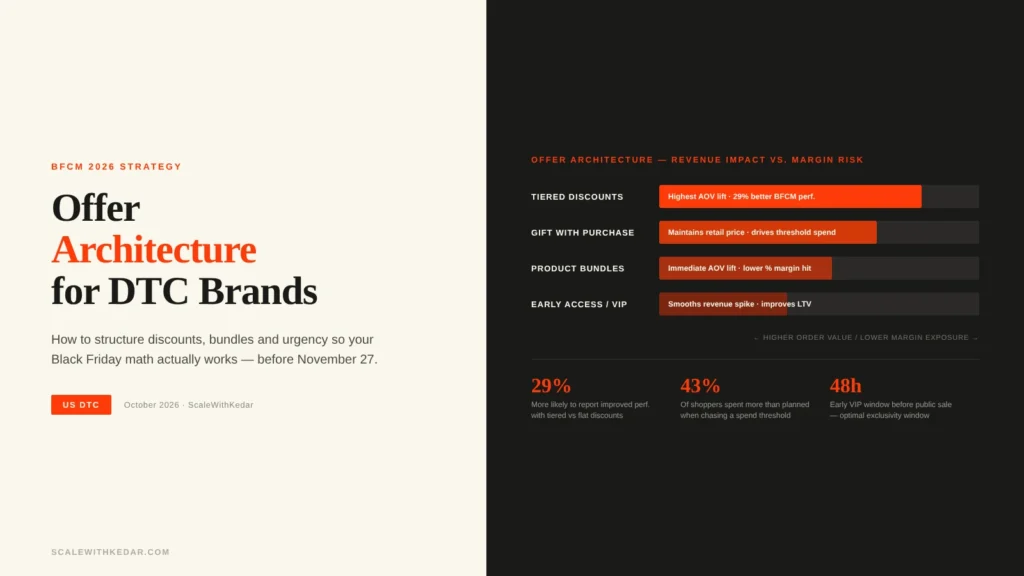
For offers, think beyond blanket discounts. The brands that perform best during the festive season in India often use:
- Bundle deals that increase average order value while giving customers a perception of value
- Gift-with-purchase mechanics that are highly relevant for Diwali gifting occasions
- Early-bird access for email and WhatsApp subscribers — this rewards loyalty and gives you predictable revenue before the peak
- Free shipping thresholds that nudge customers to add one more item to qualify
Decide on your offer structure by mid-September. Your creative team needs at least 3–4 weeks to produce a full set of festive creatives: hero images, video ads, stories, and email designs.

Step 4: Build Your Full-Funnel Festive Ad Strategy
A festive ad strategy is not just running sale ads in October. It is a three-phase approach:
Phase 1: Awareness (August–September)
Run brand story content and educational ads. Introduce your product to new audiences. Keep CPA targets relaxed — you are buying data and attention, not immediate sales. Focus on video views, reach, and link clicks. On Meta, use Advantage+ Audience for maximum reach at efficient CPMs.
Phase 2: Consideration and Warm-Up (Late September – Navratri)
Switch to product-focused creative. Retarget website visitors, video viewers, and Instagram engagers. Run WhatsApp and email campaigns to your lists teasing the upcoming sale. This is when you start pushing for Add-to-Cart and Initiate Checkout events.
Phase 3: Conversion (Navratri–Diwali)
Go full conversion mode. Use dynamic product ads (DPA) to retarget cart abandoners. Run time-limited urgency campaigns (“Diwali offer ends midnight”). Activate your WhatsApp broadcast with your biggest offer. Layer your highest-converting audiences with your best-performing creatives. Monitor CPMs daily — if costs spike too high, pull back and wait for them to normalise.
Step 5: Set Up Your Retention Loop for Post-Festive
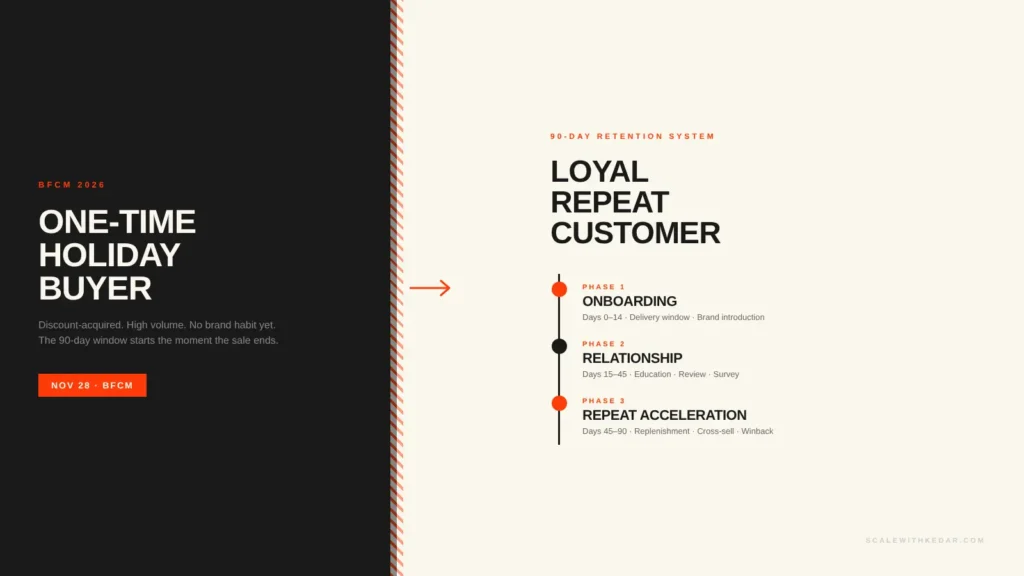
Most D2C brands focus entirely on acquisition during the festive season and ignore what happens after. But the buyers you acquire in October are your future LTV goldmine. Before your festive campaigns go live, set up:
- A post-purchase WhatsApp flow that thanks the customer, confirms delivery, and then sends a review request 7 days later
- A 30-day retention email sequence that introduces your brand story, cross-sells complementary products, and invites the customer to join your community
- A loyalty or referral programme trigger for customers who buy during the festive period — offer them something special for coming back in November or December
Your August Action List
To make this actionable, here is what you should complete before September 1st:
- Audit product pages, checkout, and site speed — fix the top 3 issues
- Launch an audience-building campaign on Meta with ₹500–1000/day budget
- Set up a festive lead capture flow for email and WhatsApp
- Brief your creative team on festive messaging pillars
- Confirm inventory levels and supplier timelines with your ops team
- Draft your offer structure and get internal sign-off
- Set up your post-purchase retention flows if they do not exist yet
The brands that will win this festive season are not the ones with the biggest ad budgets — they are the ones who started preparing earliest and built the most targeted, relevant campaigns. Start now, and Diwali will take care of itself.