If you’re running a US DTC brand and you haven’t tested Connected TV (CTV) ads yet, you’re leaving a growing channel untouched while your competitors quietly move budgets there. CTV lets you reach cord-cutters — people who’ve abandoned cable for streaming — with video ads served on smart TVs and streaming devices. And unlike traditional TV buys, you get real audience targeting, campaign-level control, and at least partial attribution back to your site.
This guide covers what CTV is, which platforms are worth testing for DTC brands, how to set up your first campaign, and how to measure results honestly. No hype about it being a “silver bullet” — it’s an upper-funnel tool that works best when layered with your existing performance stack.

What CTV Advertising Actually Is
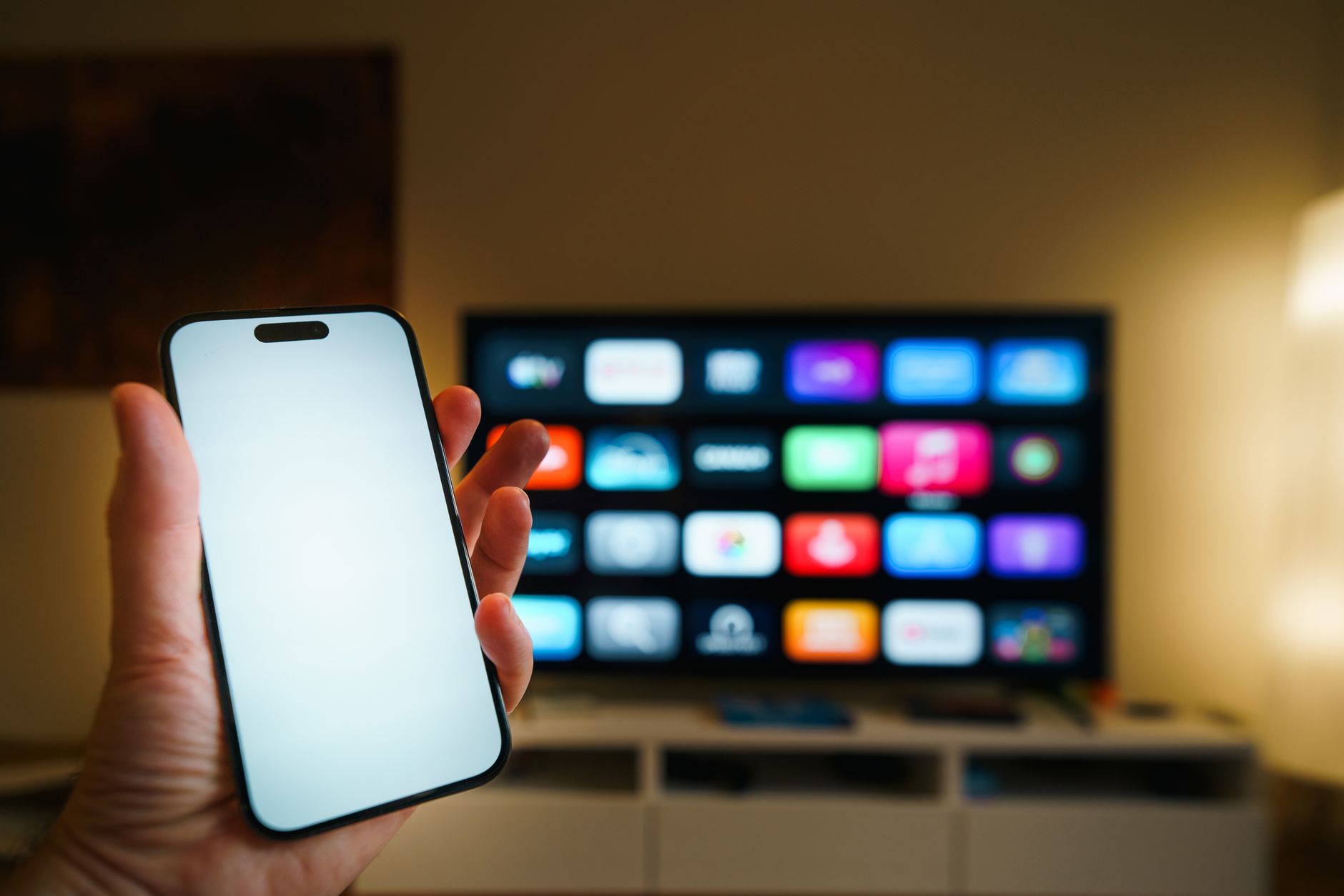
CTV (Connected TV) refers to any internet-connected television — smart TVs, Roku sticks, Apple TV, Fire TV, and gaming consoles. When you run a CTV ad, your 15- or 30-second video spot appears inside streaming apps like Hulu, Peacock, Pluto TV, or Tubi. Unlike YouTube pre-roll, CTV ads are typically non-skippable and play on the big screen in someone’s living room, which drives higher completion rates.
OTT (Over-The-Top) is the broader category — it includes CTV plus mobile and desktop streaming. For DTC brands, the distinction matters because big-screen CTV impressions tend to drive stronger brand recall, while OTT on mobile behaves more like social video.
Top CTV Ad Platforms for US DTC Brands
Not every CTV platform is built for performance marketers. Here are the ones most commonly used by DTC brands:
- MNTN (Performance TV): purpose-built for DTC performance marketing on CTV. Offers CRM-audience targeting, site-retargeting, and revenue-attribution reporting. A good starting point if you want familiar performance-style controls.
- Amazon Streaming TV Ads (via Amazon DSP): reaches audiences on Freevee, IMDb TV, and Fire TV. Strong if you sell on Amazon and want to target existing customer segments or lookalikes from Amazon’s purchase data.
- Hulu Ads Manager: self-serve access to Hulu’s premium inventory. Minimum budgets are relatively accessible for mid-market brands, and Hulu’s pause ads (shown when viewers pause playback) offer a display-format option too.
- Roku Ads Manager: direct buy into Roku’s content ecosystem. Roku’s targeting uses its own first-party data from millions of US households. Their Action Ads feature allows viewers to request info by email directly from the TV screen.
- The Trade Desk: programmatic platform that aggregates CTV inventory across networks. More suited to brands with an agency or experienced in-house programmatic buyer.
For most DTC brands testing CTV for the first time, MNTN or Amazon DSP are the most performance-marketing-friendly entry points.
How to Structure Your First CTV Campaign
CTV works best as a prospecting and brand-building layer, not a direct-response channel like paid search. Here’s how to set it up:
Step 1: Define your audience and objective
Use first-party CRM data (email lists, past purchasers) to build lookalike audiences on your chosen platform. For cold prospecting, layer in interest categories, purchase intent signals, and demographic filters. Set a reach and frequency objective — aim for 3–5 exposures per household over a 30-day window.
Step 2: Produce CTV-ready creative
CTV creative has specific requirements. Your 15s or 30s spot needs to communicate the product benefit in the first five seconds — viewers can’t be eased in slowly. Include a verbal CTA (say the URL or brand name out loud) since viewers aren’t holding their phones. Captions help since many households watch with low volume. And if you want direct response, add a QR code in the last five seconds for mobile follow-through.
Step 3: Set a realistic test budget
A meaningful CTV test typically requires $5,000–10,000 per month over at least 60 days. At lower budgets, you won’t generate enough reach to see measurable lift. CTV CPMs (cost per 1,000 impressions) typically range from $25–50 in the US — higher than social, but on a premium non-skippable format with very high completion rates (often 90%+).
Measuring CTV ROAS: Setting Realistic Expectations
Attribution on CTV is genuinely harder than on Meta or Google. The conversion path often looks like this: person sees your CTV ad on Tuesday → searches your brand on Google Friday → buys on Saturday. That sale may get credited to Google brand search, not CTV.
Here are the measurement approaches that actually work:
- Post-purchase survey: ask “Where did you first hear about us?” in your order confirmation flow. Add CTV/streaming as an option. This is the most direct, underused signal.
- Branded search lift: monitor branded keyword impressions and clicks in Google Search Console during and after your CTV campaign period. A meaningful uptick correlates with awareness generated by CTV.
- Site visit rate: platforms like MNTN and Roku provide a “site visit rate” — the percentage of households exposed to your ad that subsequently visited your site. Compare against your baseline.
- Geo holdout test: run CTV in select US markets while holding out others as controls. Compare conversion rates between exposed and unexposed geos over the same period.
Don’t expect last-click ROAS from CTV. Judge it on incremental revenue lift and brand awareness signals, not direct attribution.
Creative Best Practices That Actually Move the Needle
DTC brands that get the best results on CTV treat it like a mini TV spot, not a repurposed Meta ad. A few things that consistently help:
- Open with the problem or the visual hook — not the logo.
- Show real product use in context, not lifestyle filler.
- Mention the brand name at least twice — audibly.
- Keep CTAs simple: “Visit [brand].com” or “Scan the code.”
- For 30s spots, hold your key message until the 15s mark so it sits in both 15s and 30s cuts.
When CTV Makes Sense (and When It Doesn’t)
CTV is a strong fit for brands that:
- Already have profitable Meta/Google performance marketing running and want to scale reach
- Have a product with visual appeal that translates well to video
- Are targeting households (think kitchenware, home products, family-use items) rather than pure individual intent
- Have at least $5,000/month to commit to a genuine 60-day test
It’s a weaker fit for brands with ultra-narrow customer demographics, very low-AOV products (margins won’t cover CTV’s higher CPMs), or brands that need immediate direct-response conversions from every dollar.
Getting Started: A Practical Next Step
If you want to run your first CTV test without a full agency setup, MNTN has a self-serve platform with relatively accessible minimums and DTC-friendly attribution. Amazon DSP requires a managed-service minimum or a DSP-certified partner. Hulu Ads Manager and Roku Ads Manager both offer self-serve access.
Start with one platform, commit a real budget for 60 days, build or adapt a 30s video asset specifically for CTV, implement a post-purchase survey, and track branded search lift. That test will give you an honest signal about whether CTV belongs in your channel mix.
If you’re scaling a US DTC brand and want to pressure-test your current channel strategy before adding CTV, book a free strategy call — we can walk through whether CTV fits your specific growth stage and how to structure a test that gives you real data.