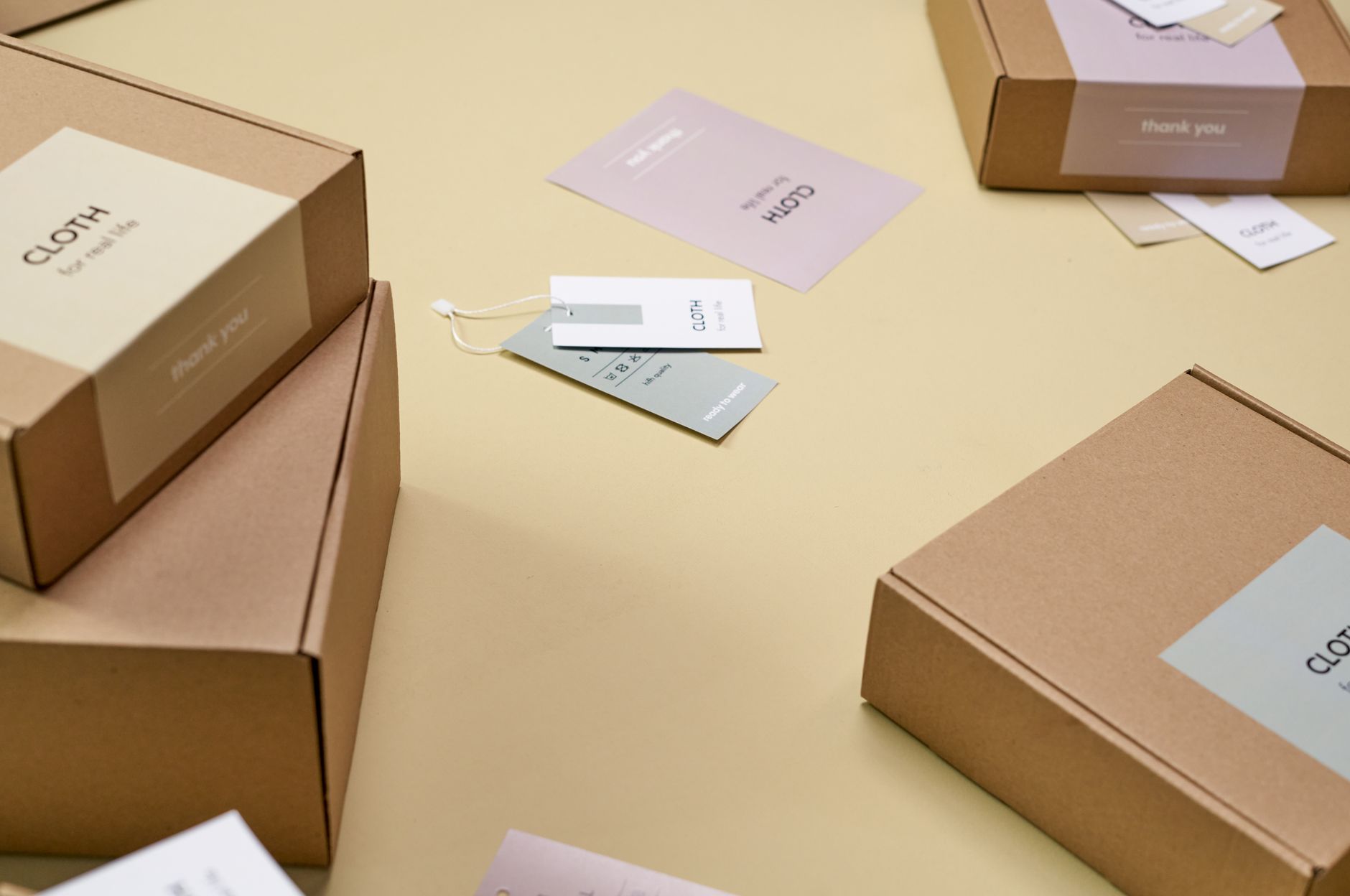
If you are heading into Q4 without a clear bundle strategy, you are leaving meaningful revenue on the table. Product bundling is one of the most effective ways to raise average order value (AOV) without spending more on ads — and for US DTC brands, the pre-holiday window is exactly when shoppers are most receptive to it. This guide gives you a practical framework to plan, price and place bundles that drive real checkout value.
Why Bundling Is One of the Highest-ROI Moves Before Q4
Paid media costs climb steeply in October and November. Every click you buy in Q4 costs more than it did in August. Bundling attacks the problem from the revenue side rather than the cost side: instead of trying to acquire more customers cheaply, you get more value from the customers already buying. This is especially important if you are refining your DTC pricing strategy and margins before the season.
A well-designed bundle does three things at once: it raises the cart value, reduces decision fatigue for the shopper, and creates a natural gifting narrative. That combination is hard to replicate with a discount alone.

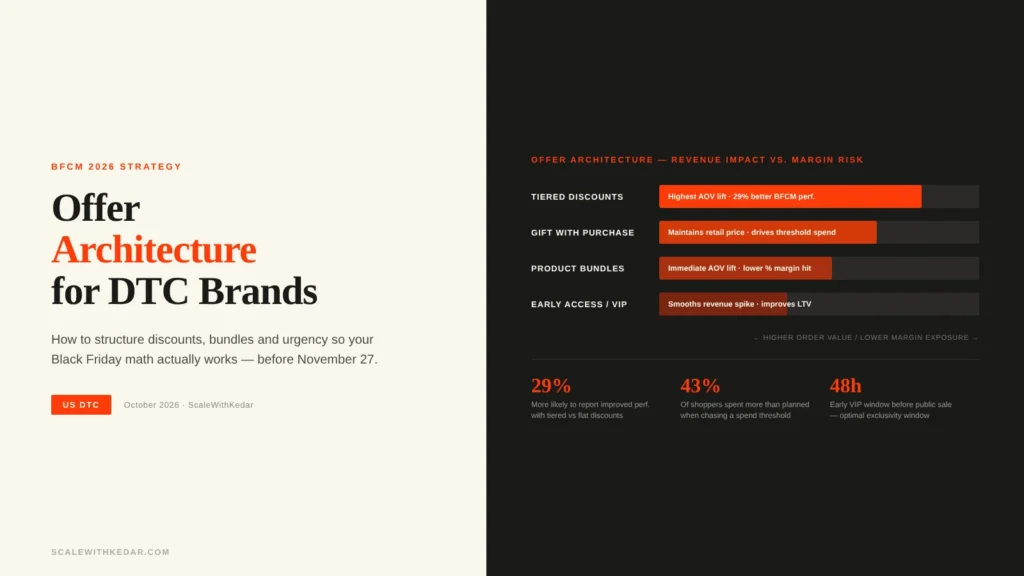
The 4 Types of DTC Bundles That Drive AOV
1. Curated Gift Sets
Purpose-built for the gifting mindset. A skincare brand bundles a cleanser, toner and moisturiser with a branded pouch. A coffee brand pairs beans with a travel mug. The buyer wants a complete, thoughtful gift, and your bundle removes the curation effort. Price these at a slight premium to the individual items purchased separately, and lead with the gifting angle in your copy.
2. Problem-Solver Bundles (Core + Complement)
This is the highest-conversion bundle type for most categories. The shopper buys your core product and the bundle adds the complementary item they will need anyway. A yoga brand bundles a mat with a block and strap. A pet brand bundles a collar with an engraved tag. The complement has obvious utility — it does not feel like upselling, it feels like a smarter purchase.
3. Subscription Starter Packs
If your product suits recurring purchase, a “starter bundle” at a one-time price is a lower-commitment entry point than a full subscription. Include enough quantity for the shopper to develop a habit, then present the subscription as the natural next step via post-purchase email flows. The bundle subsidises the acquisition cost; the subscription delivers lifetime value.
4. Volume or Multi-Pack Offers
Simpler than a curated set, but effective for consumables. A three-pack of your best-selling candle or a six-month supply of your supplement at a clear per-unit saving. These work well during Black Friday when shoppers are explicitly stocking up. Show per-unit savings in a badge, not in small print.
How to Price Bundles Without Destroying Margin
The most common mistake is discounting too aggressively. A bundle does not need to feel cheap to sell — it needs to feel convenient and complete. Consider these approaches:
- Value bundling: Price at a 10–15% discount versus buying items separately. Savings feel meaningful without gutting margin.
- Premium bundling: For gift sets, price at par or slightly above the sum of parts. Add perceived value through packaging or a handwritten-note insert. Buyers pay for presentation.
- Margin-first pricing: Start with your target contribution margin and work backwards to a bundle price that still feels compelling. Know your landed cost per item before building any offer.
Run a margin simulation before launch. Bundles that increase revenue but reduce blended margin are not always a win.

Where to Feature Bundles for Maximum Visibility
- Homepage hero or banner: Lead with the gifting story in early October, shifting to the urgency narrative after mid-November.
- Product page upsell: “Complete the set” modules beneath the primary product. Keep it contextual and unobtrusive.
- Cart page: One bundle offer shown after the shopper adds the core product. Present it as a one-click add.
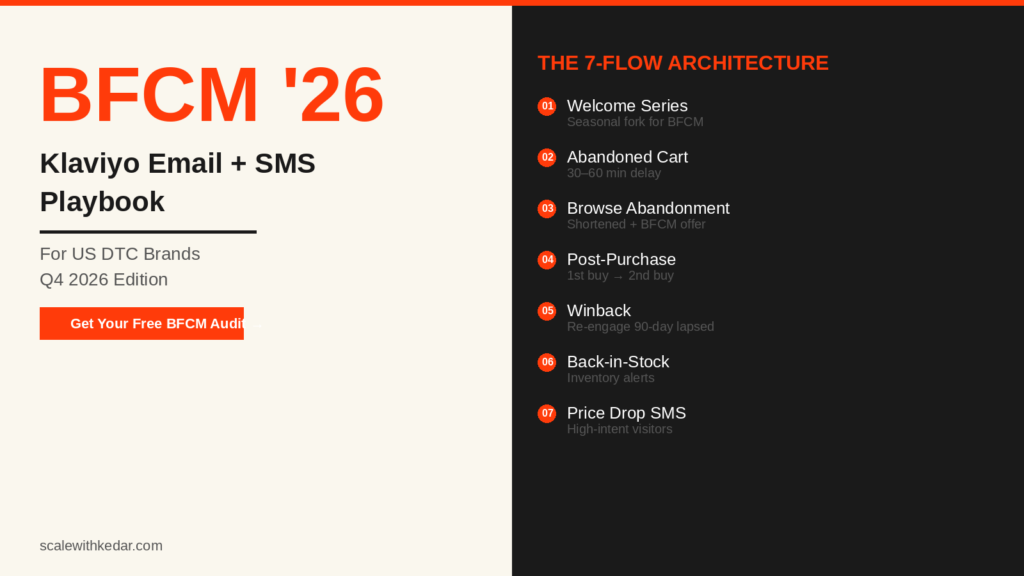
- Email flows: Trigger a bundle-focused email to shoppers who viewed a core product but did not convert. This pairs well with your Meta Ads creative testing framework if you run retargeting to cart abandoners.
- Paid social creative: Dedicated bundle creative that shows the physical collection together. Lifestyle context tends to outperform flat lays for bundles.
A Simple Q4 Bundle Audit Checklist
- Is the margin on this bundle at or above your blended margin target?
- Does the bundle tell a coherent story (gifting, problem-solving, stocking up)?
- Are all bundle items in stock with sufficient Q4 inventory?
- Is there a dedicated landing page or collection for the bundle?
- Is the bundle surfaced in at least three of the five placements above?
- Does your email flow mention the bundle in at least one sequence?
- Is there a clear deadline or scarcity element (limited quantity, ends Nov 30)?
Get Your DTC Q4 Revenue Strategy Reviewed
Bundling is one lever in a larger Q4 playbook. If you want an experienced eye on your ad strategy, funnel structure and AOV tactics before the season heats up, book a free audit — we will review your current setup and flag the highest-impact improvements for your brand.